Country
Region
Sub-region
Producer
Wine type
Volume
Rating
Vintage
Packaging
Price
Contact
Ask a question
Barolo
Barolo lies in the Langhe, south-west of Alba in Piedmont. The appellation is given over entirely to nebbiolo, a grape that ripens late here and yields wines with firm tannins and long ageing in bottle. The required ageing is at least 38 months, part of it in wood.
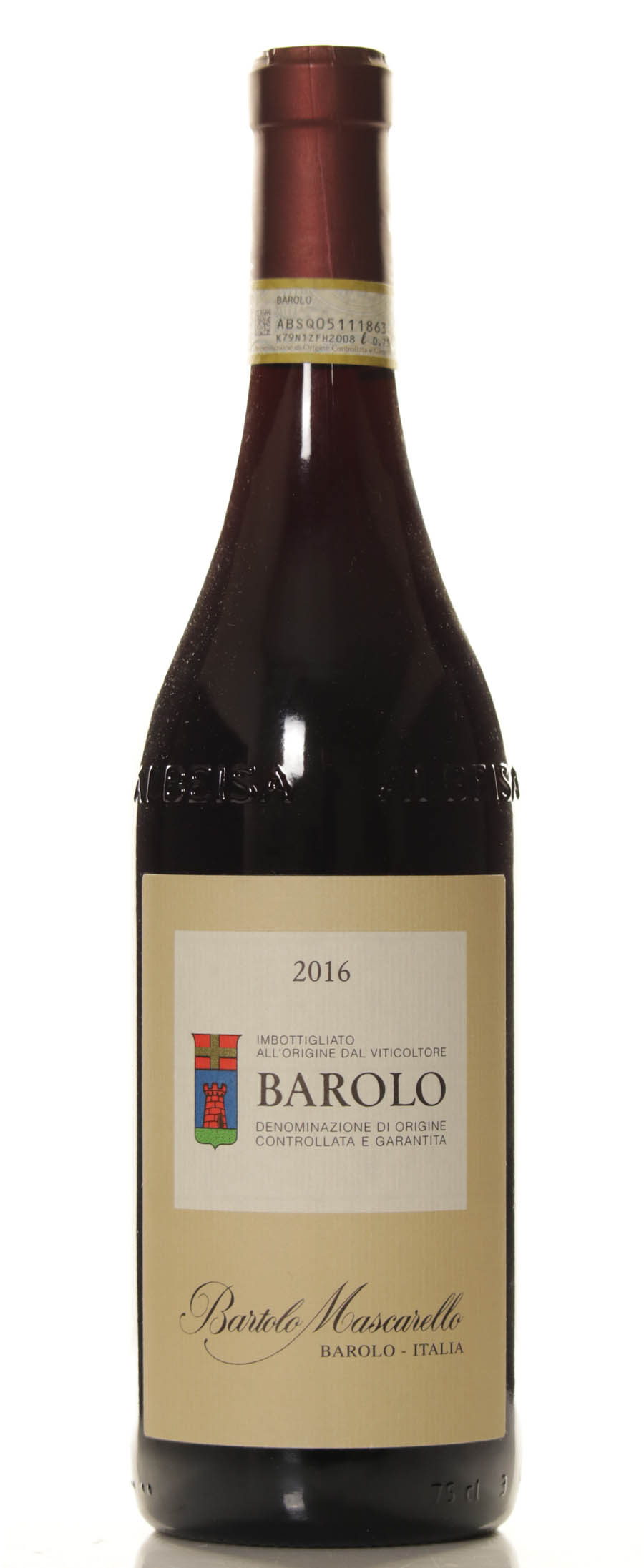
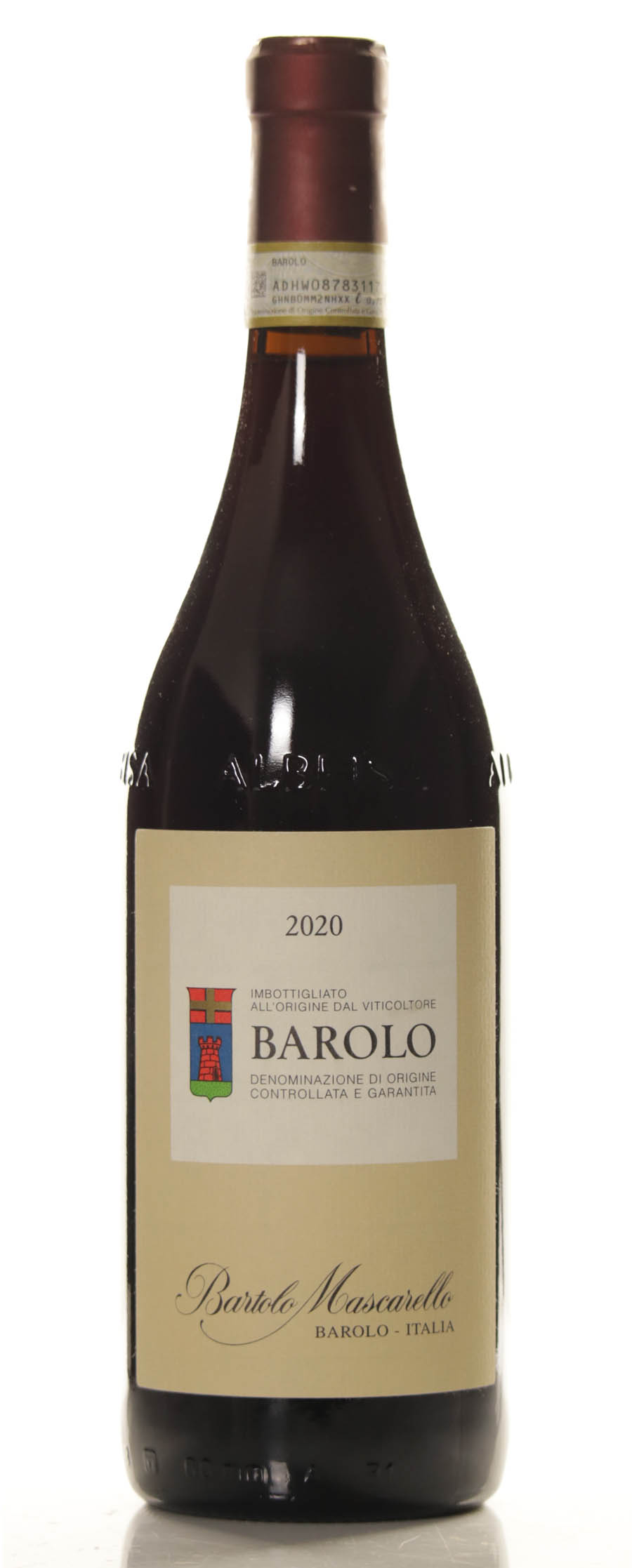
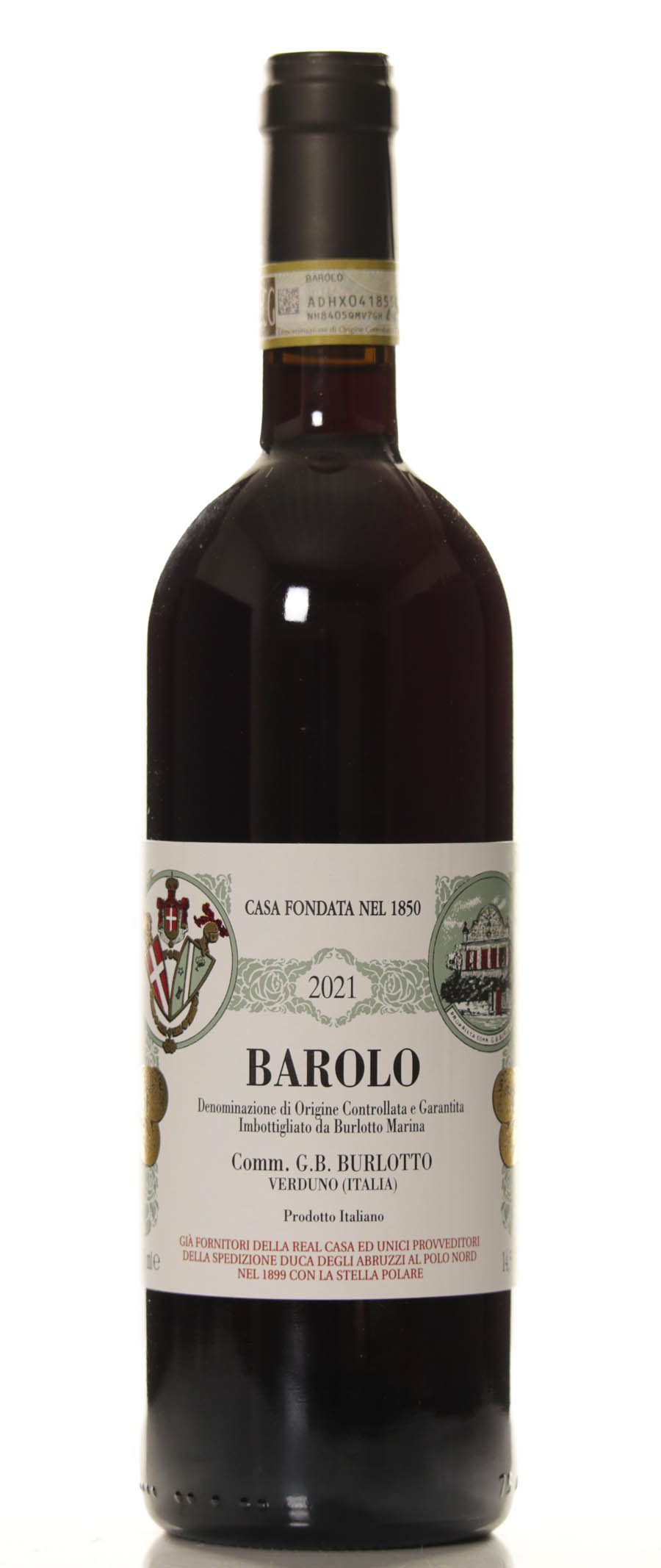
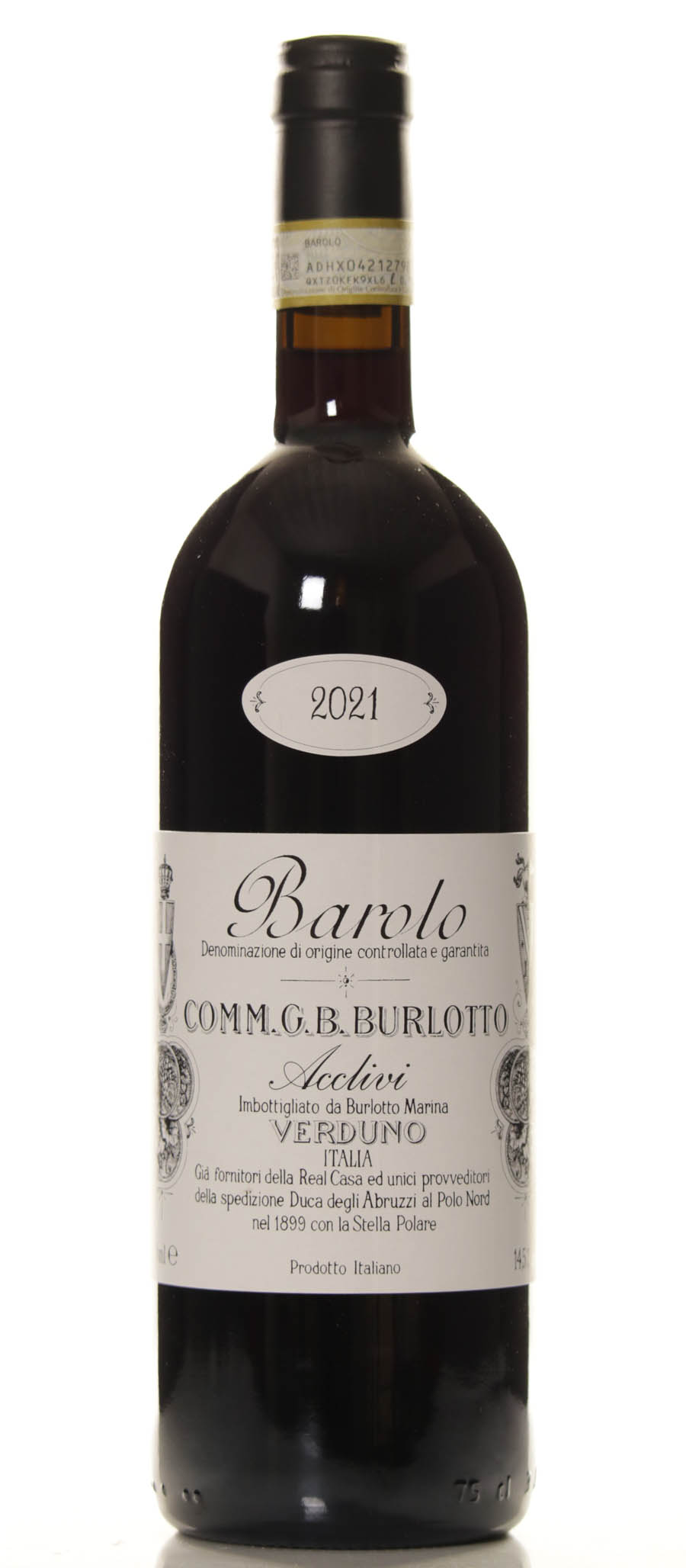
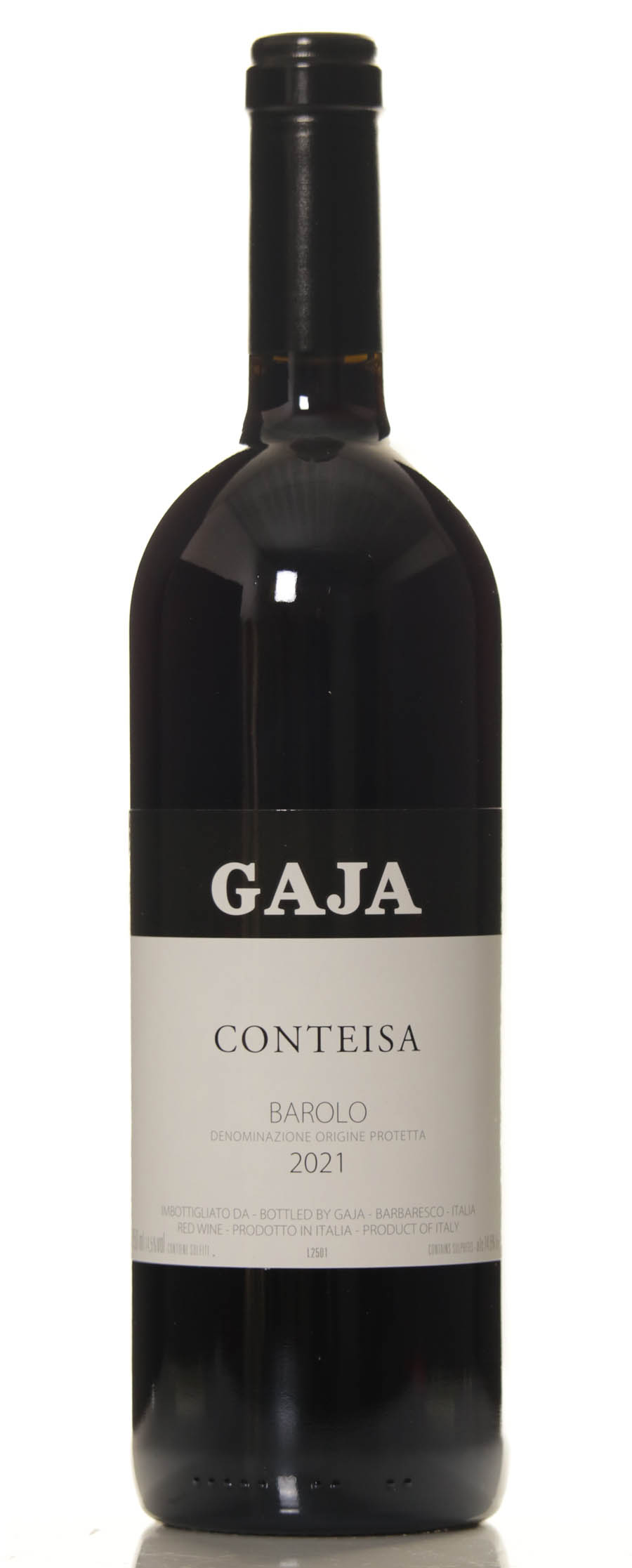
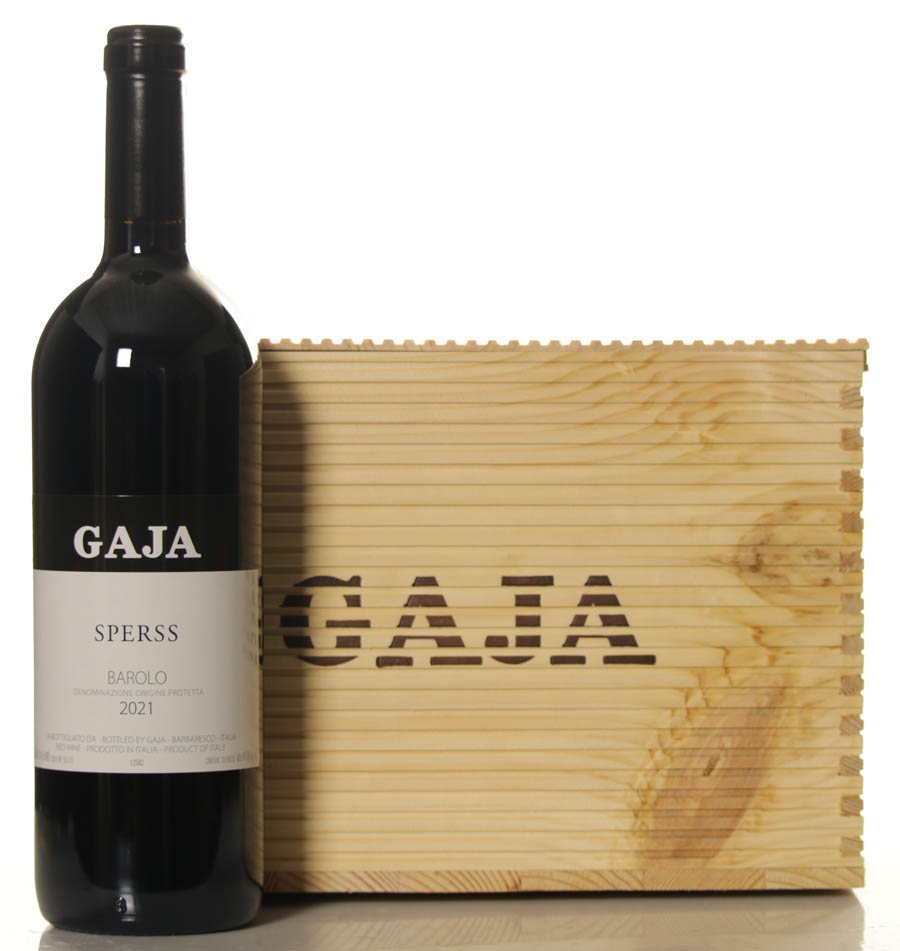
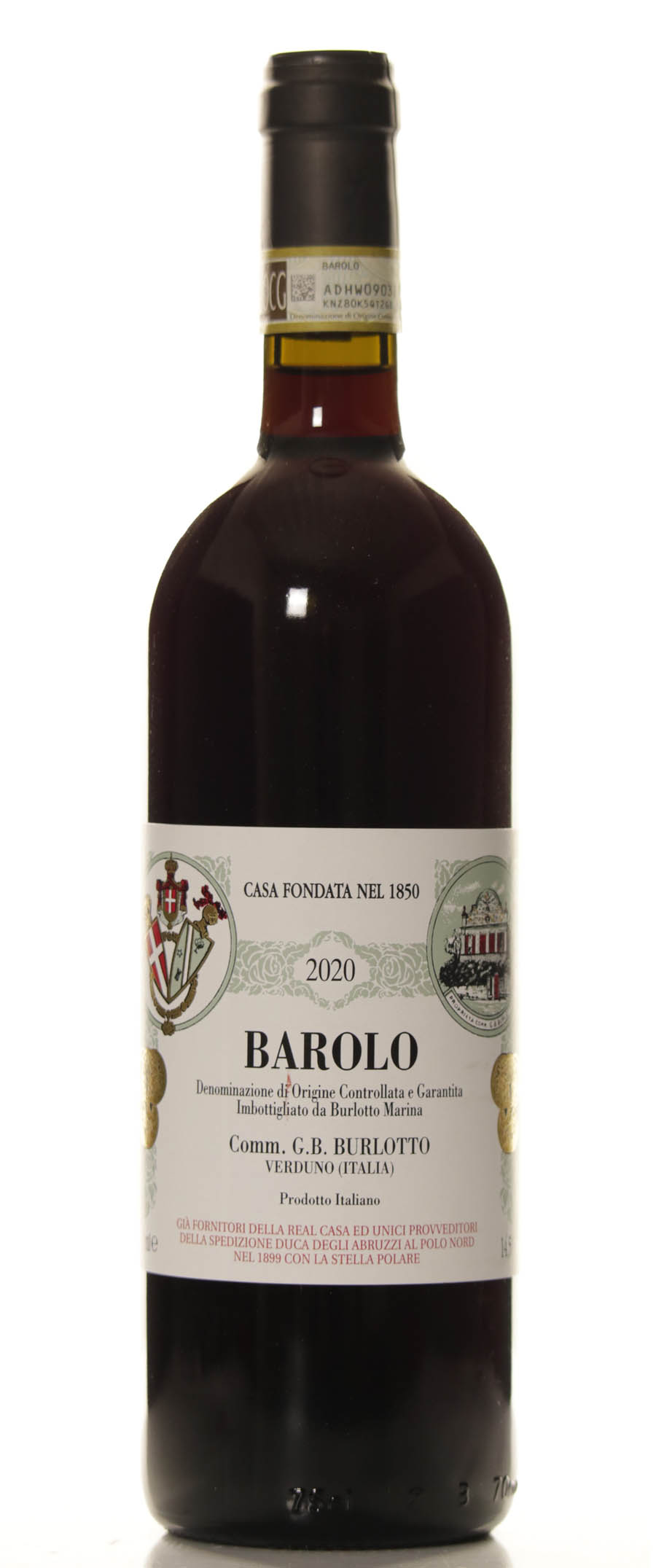
Our range includes Barolos by producers including Gaja, Bartolo Mascarello, Giacomo Conterno, Roagna, G.B. Burlotto and Giuseppe Rinaldi. If you would like to explore Piedmont further, you will also find Barbaresco and Langhe in our range.
Grape and style
Barolo is made from 100% nebbiolo, a grape that ripens late and is harvested only after a long growing season in the autumn. The wine has a relatively pale colour, but is powerful in structure: plenty of tannin, high acidity and great depth. In the glass you will often smell roses, cherries, tar, spices and, with the years, also truffle, leather and tobacco.
Within Barolo there are two styles. Classic Barolo ages for a long time in large casks and has a traditional, taut character. Modern Barolo ages (partly) in smaller oak barrels and is often more approachable when young.
Location and soil
Barolo lies in the Langhe, the hills south-west of the town of Alba in Piedmont. The area comprises eleven communes, including Barolo, La Morra, Castiglione Falletto, Serralunga d’Alba and Monforte d’Alba. The Langhe wine landscape has been a UNESCO World Heritage Site since 2014.
Broadly speaking there are two types of soil. In the west, around La Morra and Barolo, the ground consists mainly of young, calcareous marl: the wines there are generally fragrant and elegant. In the east, around Serralunga and Monforte, the soil is older and richer in sandstone: the wines there are usually firmer and better able to withstand long ageing. The position of the vineyard on the slope also makes a great difference, which is why the name of the vineyard often appears on the label.
Classification and rules
Barolo has the highest Italian quality status: DOCG (Denominazione di Origine Controllata e Garantita), since 1980. The rules stipulate, among other things, that the wine must be made entirely from nebbiolo from the delimited area. A Barolo ages for a minimum of 38 months, of which at least 18 months in wood. A Barolo Riserva ages for a minimum of 62 months before it comes onto the market.
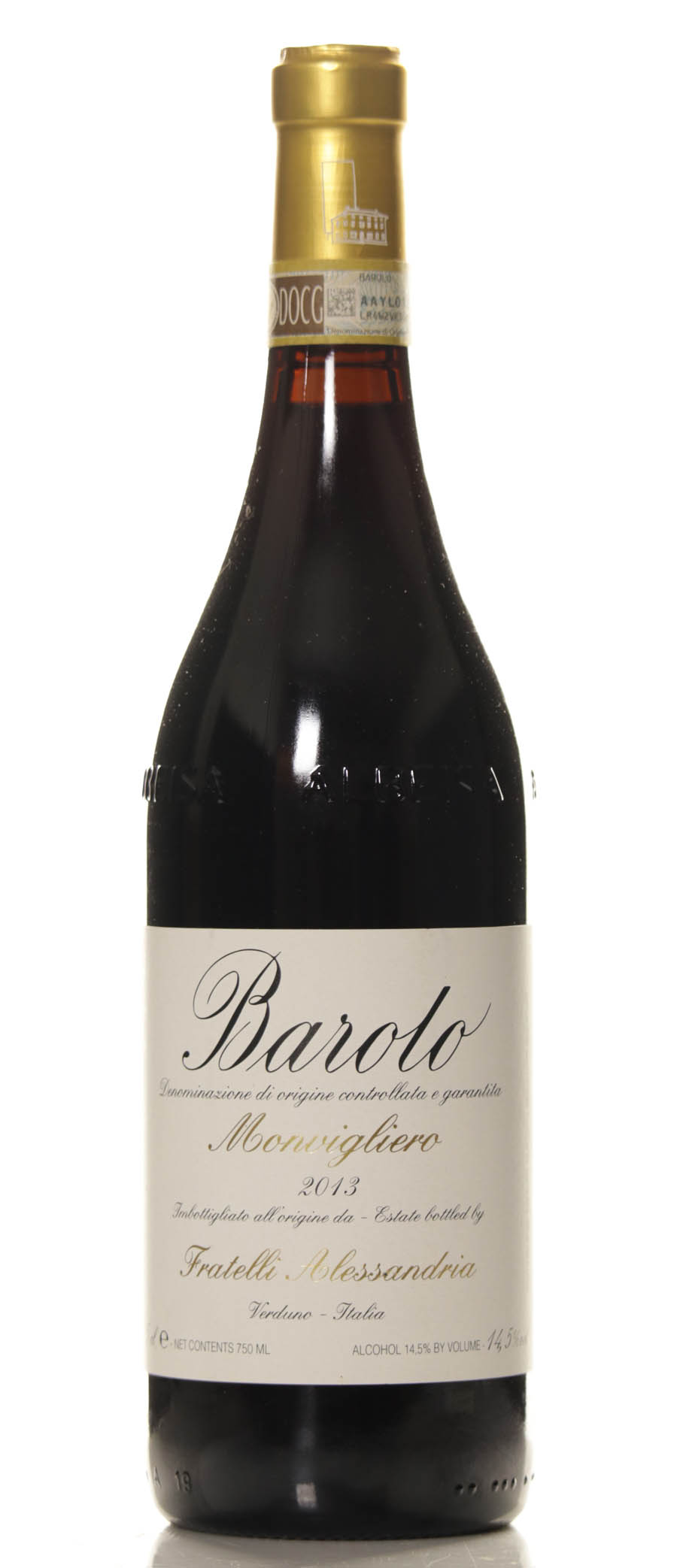
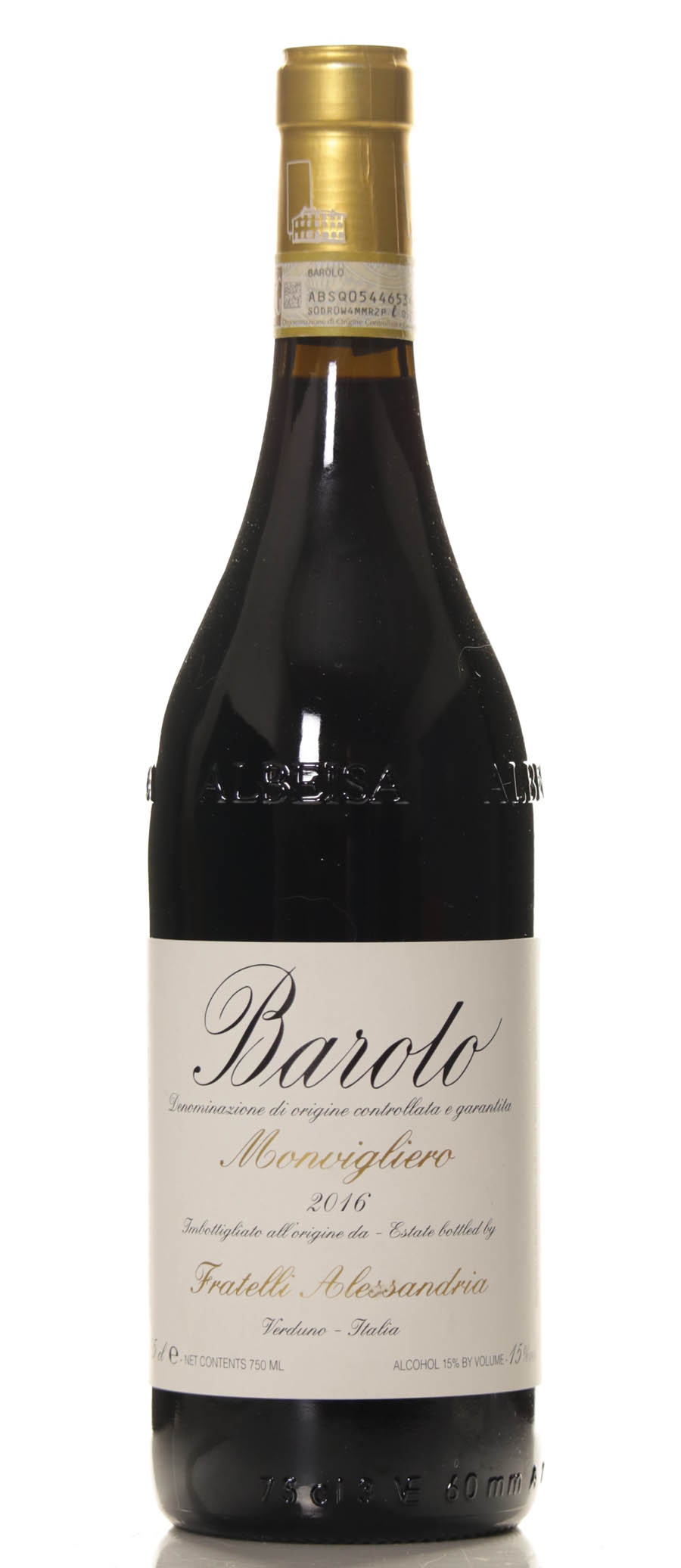
Many vineyards have an official name, an MGA (Menzione Geografica Aggiuntiva). There are more than 170 of them, and a producer may put the name of the vineyard on the label. Well-known examples are Cannubi, Brunate, Bussia and Monvigliero.
Ageing and serving
Barolo is a wine for the long haul. Good Barolo often gains in complexity during the first few years and, in a good vintage, can age for decades. Young Barolo calls for patience, or for an hour or two in a decanter. Old bottles are best poured carefully, as they may contain sediment.
Serve Barolo at around 16 to 18 °C in a generous glass. The wine goes well with dishes with truffle, game, roast meat, mature cheese and risotto. You can read more about storage in our blog how to store Barolo best; about the styles in classic or modern. A neighbour from the same region is Barbaresco, also made from nebbiolo, but generally somewhat more approachable.
Producers in our range
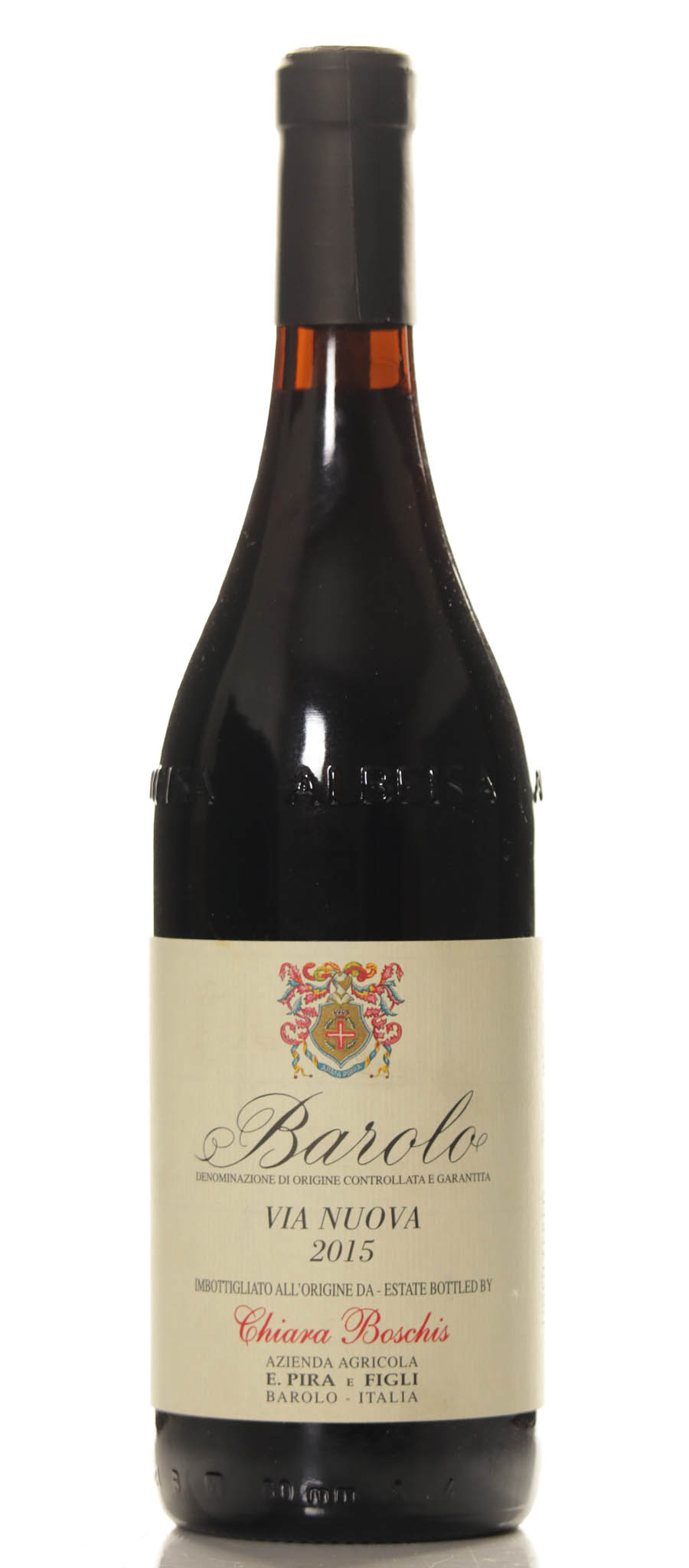
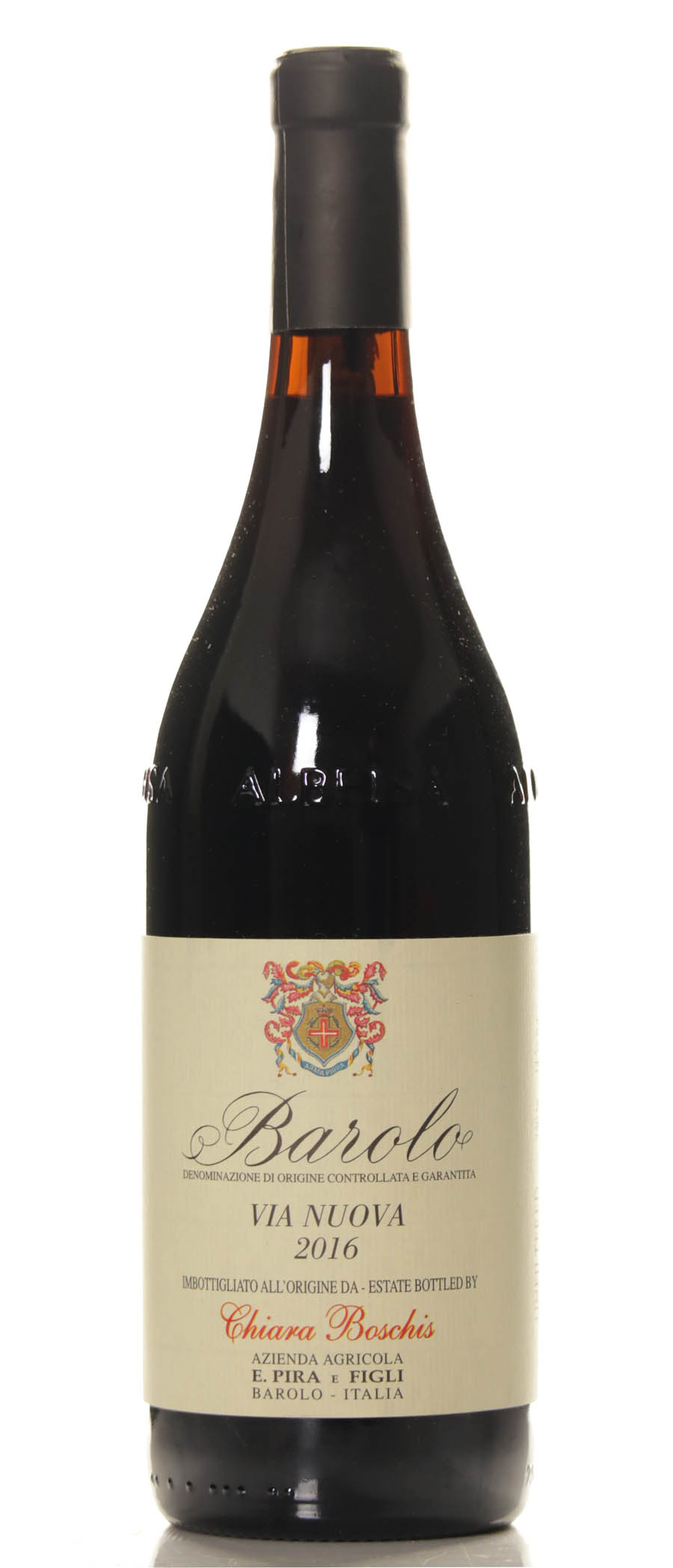
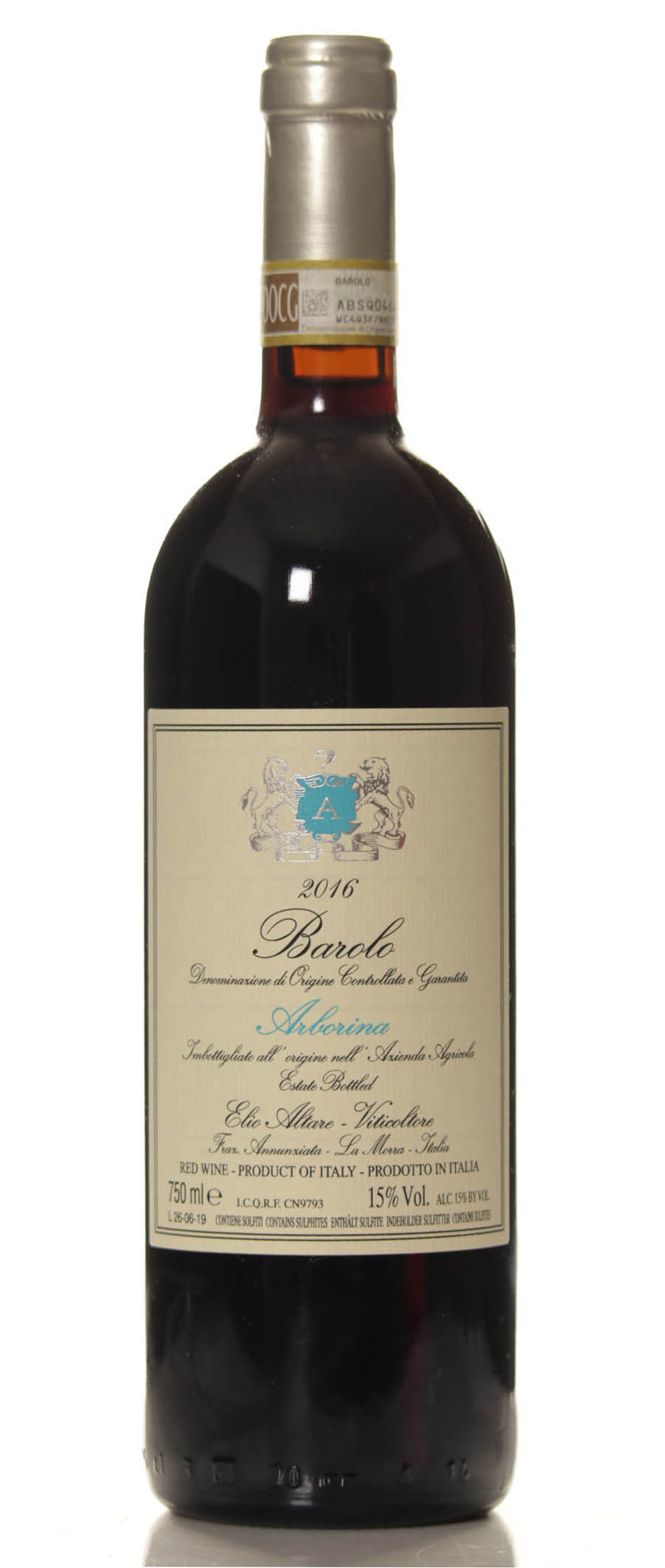
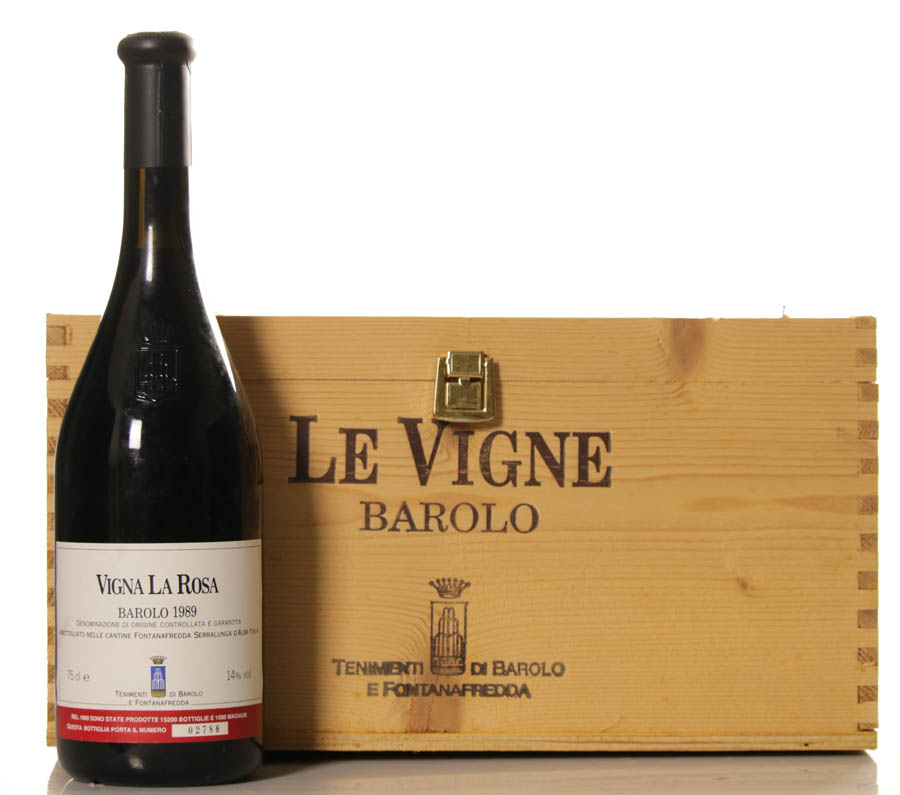
These producers feature in our Barolo range: Aldo Conterno, Azelia, Bartolo Mascarello, Borgogno, Bruno Giacosa, Cavallotto, Ceretto, E. Pira & Figli (Chiara Boschis), Elio Altare, Elio Grasso, Elvio Cogno, Fontanafredda, Francesco Rinaldi, Fratelli Alessandria, Fratelli Barale, G.B. Burlotto, Gaja, Giacomo Conterno, Giuseppe Mascarello, Giuseppe Rinaldi, Luciano Sandrone, Prunotto, Renzo Seghesio, Roagna and Tenuta Cucco.
Vineyards on the label
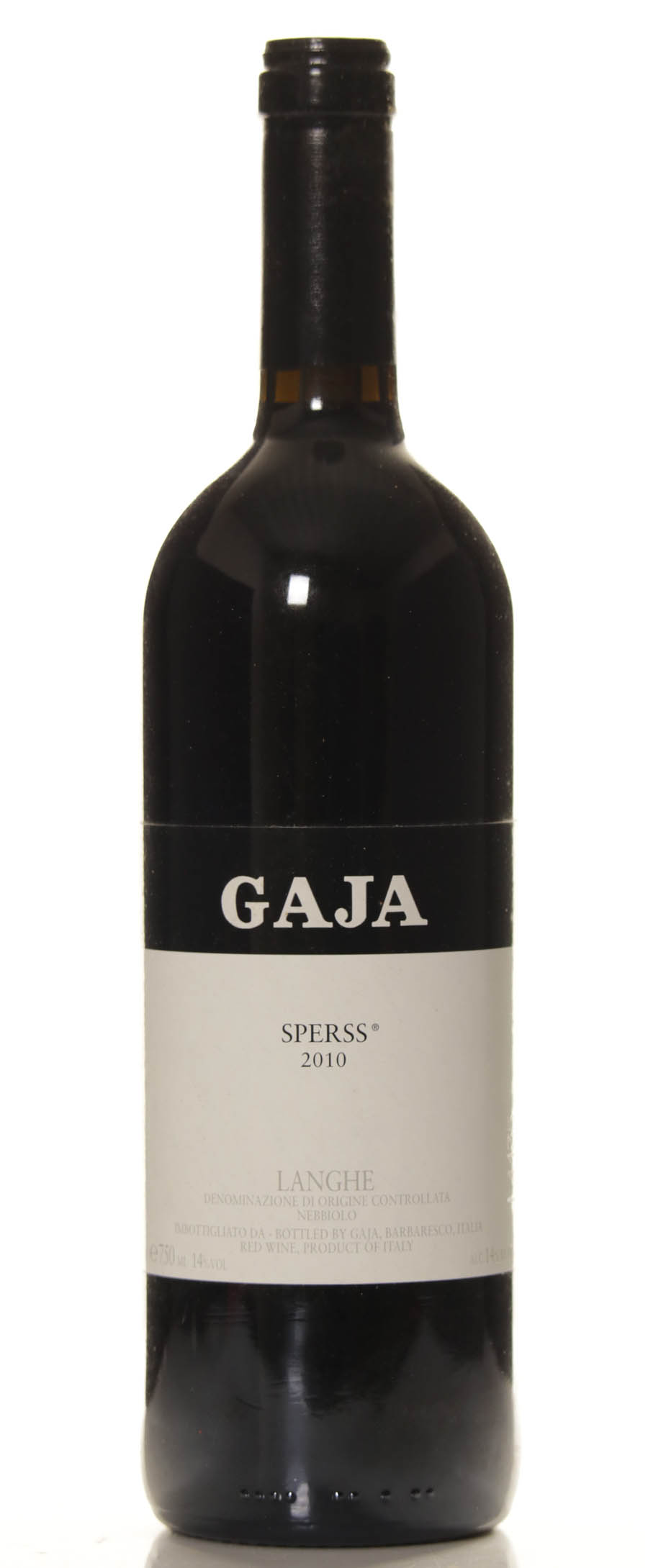
Many Barolos in our range carry the name of a single vineyard, such as Cannubi, Brunate, Bussia, Monvigliero, Ravera, Rocche di Castiglione, Pira, Francia, Bricco Boschis and Arborina. Gaja gives its Barolos their own names: Sperss and Conteisa. Monfortino is the Riserva from Giacomo Conterno.
More from Piedmont
You will find more wines from Piedmont under Barbaresco and Langhe.
More about Barolo
Read more in our blogs: Barolo wine: what makes this Nebbiolo so special?, Storing Barolo: 5 tips for optimal aging and storage and Combining classic and modern Barolo: how to taste the best of both.