

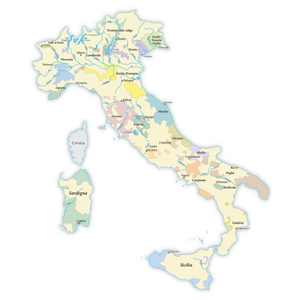


Storing Barolo is an art in itself. This wine, from the Italian region of Piedmont, is renowned for its complex flavor profile and remarkable aging potential. Wine lovers and collectors know that proper storage is crucial to preserving the unique character of Barolo. But what exactly does optimal storage involve?
Several factors come into play when storing Barolo. Temperature, humidity and light are essential to how this wine develops. A good wine cellar offers the best conditions for aging Barolo. Have you ever considered how storage affects your Barolo?
Tip: A constant temperature of around 12-15 degrees Celsius is ideal for storing wine.
The importance of good storage practices cannot be overstated. They ensure that your Barolo reaches its full potential. Whether you are a budding collector or a seasoned connoisseur, this article offers practical tips for anyone who wants to store their Barolo in the best possible way.
Want to know more about the characteristics of this remarkable wine? Then read on in Barolo wine: what makes this Nebbiolo so special?.
Why is it important to store Barolo properly?
Barolo, a prestigious wine from the Italian region of Piedmont, deserves the right storage conditions. What happens if you don’t store this wine correctly? You could end up disappointed by diminished flavor and value.

How storage conditions affect flavor
The right storage conditions are crucial for Barolo. This wine develops complex flavors and aromas as it ages. If you keep your Barolo in an environment with fluctuating temperatures, this can disrupt the aging process and damage the wine. A constant temperature between 10-15°C is ideal source.
Besides temperature, humidity also plays a role. A humidity level of 70% keeps corks from drying out and prevents the wine from oxidizing source. Oxidation can lead to unwanted flavors and aromas.
What does this mean for you? It may be worth investing in a wine cellar or dedicated wine storage. Have you ever considered how climate control could improve your wine collection?
Best vintages for Barolo
Not every year produces Barolo of the same quality. Top vintages such as 2010 and 2016 yield wines that can age longer while retaining their complexity source. Some claim these wines will last for decades, provided they are stored properly.
Tip: Always check the vintage before deciding to cellar a bottle for longer.
Did you know that some Barolos can be laid down for 30 years or more without losing their beauty? This makes them appealing not only to collectors, but also to investors looking for long-term value.
In short, investing in good storage for your Barolo goes a long way toward enhancing its flavor, value and longevity. Make sure you protect your investment with the care it deserves!
The impact of different storage environments
Storing Barolo calls for careful attention to the storage environment. Home wine cellars and professional storage facilities each come with their own advantages and challenges.
Home storage versus professional storage
Keeping Barolo at home has the advantage of direct access. You can reach for a bottle whenever you like, which is ideal for spontaneous occasions. Still, home storage requires a suitable environment. A consistent temperature is crucial; fluctuations can damage the wine (source: winefolly.com). In addition, humidity should be around 70% to keep corks in good condition.
Professional storage facilities, on the other hand, provide controlled environments with optimal temperature and humidity levels. These services often come at a price, but they offer extra peace of mind and convenience for collectors who want to protect valuable bottles from spoilage.
| Feature | Home storage | Professional storage |
|---|---|---|
| Accessibility | Immediately available | Usually not directly accessible |
| Temperature control | Harder to maintain | Controlled and stable |
| Cost | Lower | Higher |
Important: Professional storage can be more expensive, but it often offers better protection for valuable Barolos.
Does red wine keep indefinitely?
Although red wine such as Barolo can stay in good condition for a long time, it does not keep indefinitely. Even under ideal conditions, wine develops up to a point where it reaches its peak before it begins to decline. Poor storage can speed up this process (source: drinks.seriouseats.com).
What does this mean for you as a collector? Make sure you have a suitable storage environment that is both cost-efficient and effective at keeping your wines in top condition.
If you are interested in choosing the best Barolo vintage, take a look at Buying Barolo: tips for choosing the best vintage.
Storage: cork versus screw cap
Barolo, a highly regarded wine, calls for careful storage. One of the choices you face when aging Barolo is the closure: cork or screw cap. Both options affect the quality and development of the wine. So how should you best store your Barolo?

Pros and cons of cork
Cork is traditional and widely used for quality wines such as Barolo. It has a number of pros and cons:
- Air exchange: Cork lets through minimal amounts of air, which influences aging. This can result in more complex aromas.
- Natural appeal: Many collectors appreciate the authenticity of a cork.
- Risk of cork taint: Around 3-5% of all cork-sealed bottles can suffer from an unpleasant smell or taste caused by TCA, a chemical compound that can occur in cork.
Tip: Store your Barolo on its side if it is sealed with a cork, so the cork does not dry out.
Pros and cons of screw caps
Screw caps are becoming increasingly popular among winemakers. Why would you choose a screw cap?
- Durability: Screw caps are usually made of aluminum, which makes them a more durable option than cork.
- Consistency: They provide a more consistent seal, which minimizes oxidation and ensures stable aging conditions.
- Ease of use: No corkscrew needed, ideal for immediate enjoyment without special tools.
One drawback may be that some wine lovers see screw caps as less prestigious.
| Feature | Cork | Screw cap |
|---|---|---|
| Air exchange | Minimal | Virtually none |
| Durability | Lower | High |
| Ease of use | Lower | High |
Have you ever thought about which closure you prefer? You might want to experiment with both to discover which works best for your wine cellar. Whatever you choose, make sure you store the wine at the right temperature for optimal results. For more information on choosing the best Barolo vintage, take a look at Buying Barolo: tips for choosing the best vintage.
The right food pairings
Barolo is a complex Italian wine that calls for careful storage and thoughtful food pairings. But how do you store Barolo correctly, and which dishes suit it best?
Important: Red wines such as Barolo should not be stored in the refrigerator. The cold temperature can negatively affect their flavor profile.
Ideal dishes with Barolo
The rich flavors of Barolo pair well with hearty dishes. Think of meat dishes such as game or beef. These dense, full flavors reinforce each other and make for a balanced dining experience.
- Game dishes: Venison stew with a spiced sauce.
- Beef: Grilled steak with a pepper crust.
Cheeses are also excellent companions for Barolo. Harder cheeses such as Parmesan complement the tannins in the wine.
- Parmesan: A rich, hard cheese that complements the structure of Barolo.
- Gorgonzola: Its creaminess softens the tannins of the wine.
Wine storage is crucial for preserving the quality of Barolo. A good wine cellar offers constant temperature and humidity, both essential for aging.
Practical tips
- Store your Barolo in a place where the temperature stays constant at around 12-15°C.
- Maintain a humidity level of about 70%.
- Lay bottles horizontally to keep the cork moist.
By following these guidelines, you not only extend the life of your wine, but also ensure that every sip remains as impressive as the winemaker intended. Which dishes would you pair with your next bottle of Barolo?
Producer-specific recommendations
Barolo is one of the most prestigious wines in Italy, and the way you store it can significantly affect its flavor and value. Barolo producers often have specific recommendations for getting the best out of their wines.

Recommendations from top producers
Marchesi di Barolo advises storing its wines in a well-ventilated wine cellar. The temperature should remain stable at around 12-15°C. The estate also stresses the importance of a humidity level between 65-80% to keep the cork moist. Moist corks prevent oxidation and spoilage.
Paolo Scavino, another renowned producer, suggests letting Barolo age for at least 10 years before opening it. This gives the wine the chance to fully develop its complex flavors. The estate recommends laying bottles horizontally so the wine stays in contact with the cork.
| Producer | Storage temperature | Humidity | Minimum aging |
|---|---|---|---|
| Marchesi di Barolo | 12-15°C | 65-80% | 10 years |
| Paolo Scavino | 12-15°C | 60-70% | 10 years |
Tip: Have you ever considered how the storage environment can affect your Barolo? Invest in good wine storage!
Alongside producer recommendations, the vintage also plays a role in how long you can keep your Barolo. Wines from outstanding years can age for up to 30 years, while weaker vintages usually peak within 10 years (Italy Wine Info).
Aging Barolo is an art that requires time and patience. Make sure your wine cellar meets every requirement for optimal storage. Ultimately, following these guidelines will ensure that every bottle reaches its best possible flavor profile.
Want to learn more about special variants? Take a look at Buying Barolo: tips for choosing the best vintage.
Frequently asked questions
- Is 2017 Barolo a good vintage to buy?
The 2017 vintage is generally considered a good year for Barolo, with wines that show a good balance between fruit and tannins. It is important to look at the specific producers and the quality of their harvest, as popularity among collectors can also vary. It can be helpful to consult reviews from wine experts before making a purchase.
- What are the best vintages for Barolo?
Top vintages for Barolo include 2010 and 2016, when the wines showed excellent quality and aging potential. These years produce wines that can age longer and retain their complexity, allowing them to last for decades when stored properly. It is always advisable to check the vintage before deciding to cellar a bottle for longer.
Conclusion and best practices
Properly storing Barolo is essential for preserving its unique flavor profile and value. It is important to keep this wine under the right conditions. By carefully managing temperature, humidity and light, you keep the quality of the wine at its best.
Key tips:
- Make sure the temperature in your wine cellar stays consistently between 12-16°C.
- Keep humidity around 70% to prevent the cork from drying out.
- Protect Barolo from direct sunlight and strong odors.
Key insight: Depending on the vintage and the producer, Barolo can age for anywhere between 10 and 30 years. Always check the producer’s advice for optimal aging.
Have you ever wondered how long you should keep your Barolo? Most experts agree that a young Barolo needs at least five years in the cellar before it is at its best.
Experienced wine collectors know that every bottle is unique. That is why it is wise to compare options or consult a professional for specific storage advice. For more insights into this fascinating wine, take a look at Buying Barolo: tips for choosing the best vintage.
Take these tips to heart and start optimizing your wine storage today for a sublime Barolo experience!