




In our experience as experts in rare and vintage wines, the question “what is grower champagne Jacques Selosse” remains prevalent. Grower champagne is distinguished by the fact that the winemaker both cultivates the grapes and produces the champagne. This differs from the larger houses that often purchase grapes. Jacques Selosse is a prime example of this movement.
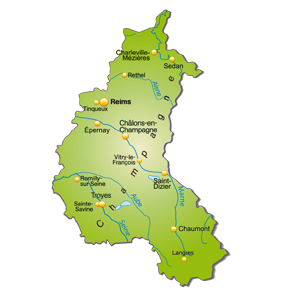
Jacques Selosse is located in Avize, a small village in the Champagne region, and is known for its groundbreaking approach. Unlike many other producers, Selosse focuses on terroir-driven champagnes with intense flavors. This means that each bottle reflects the character of its origin. Their dedication to detail and quality has earned them worldwide recognition.
Jacques Selosse’s focus on terroir and natural production methods makes their champagne iconic within the industry.
For lovers of luxury wines, Jacques Selosse offers an unforgettable experience. Have you ever wondered why these champagnes are so special? Known for their complexity and depth, they are ideal for collectors and connoisseurs. Curious for more details? Visit our Jacques Selosse page for in-depth information about this remarkable champagne house.
The origin of jacques selosse
Family and brand history
Jacques Selosse’s journey began in the heart of Avize, a village in the famous Champagne region. His family had been growing grapes here for centuries. But it wasn’t until the 1950s that Jacques started producing his own champagnes. This brought a personal touch to the process, marking a turning point for the company.

Selosse’s approach was innovative. He introduced biodynamic viticulture, respecting natural rhythms and processes. This resulted in intense, terroir-driven champagnes that gained worldwide recognition. Looking at his unique methods, it becomes clear why he played such an influential role in the grower champagne movement.
In our experience, the focus on terroir and craftsmanship has given Selosse’s champagnes a cult status.
Transition to grower champagne
The term grower champagne refers to producers who grow their own grapes and make wine, as opposed to large houses that purchase grapes. Jacques Selosse was a pioneer in this field. He emphasized that quality begins in the vineyard and shifted the focus to authentic production.
At Vineut, we admire the work of Jacques Selosse. His champagnes remain popular among connoisseurs and collectors. The precision and passion he put into his wines speak volumes about his dedication to perfection.
Have you ever thought about what this history means for your wine experience? Grower champagnes like those from Selosse offer a unique perspective on what champagne can be. They present the character of their origin in an unparalleled way.
For those interested in experiencing this unique taste for themselves, our collection offers exclusive bottles such as the J. Selosse Substance Blanc de Blancs Grand Cru Brut from €620.00 incl VAT.
What do you think: is grower champagne the best choice for enthusiasts?
What makes grower champagne special?
Grower champagne is a fascinating part of the champagne world. The difference between grower champagne and big brands lies in production and philosophy. Large houses buy grapes from various farmers, while grower producers use grapes from their own vineyards. This gives their wines a unique, personal touch.
Unique production processes
In grower champagne, like that of Jacques Selosse, terroir is central. Terroir means the influence of climate, soil, and environment on the wine. In our experience, Selosse wines stand out due to this terroir-focused approach.
- Small production: Growers often produce in small quantities.
- Own grapes: They exclusively use grapes from their own land.
- Artisanal techniques: The emphasis is on quality and authenticity.
Jacques Selosse uses biodynamic methods. This respect for nature results in exceptional champagnes that are appreciated worldwide.
“In our 17 years of experience with rare wines, we see that honest production methods are important for top quality.”
Additionally, grower champagne often offers surprising flavors, different from the standardized profiles of big brands. Have you ever tried a bottle of this? J. Selosse Substance Blanc de Blancs Grand Cru Brut is a good example and costs €620,00 incl VAT.
Comparison with others
| Aspect | Grower Champagne | Big Brands |
|---|---|---|
| Production volume | Small | Large |
| Source of grapes | Own vineyards | Purchased from farmers |
| Flavor variation | Seasonal and terroir-based | Consistent per batch |
This makes grower champagnes very attractive to wine enthusiasts and investors seeking uniqueness. We always recommend checking out our selection if you’re curious about these special wines.
Finally, what does demi-sec champagne mean? Demi-sec refers to a sweeter champagne style with more residual sugar than brut, but less than doux. Each type has its own charm and suits different occasions.
Which style suits your taste best? Try different types to discover which is your favorite!
Jacques Selosse vs others
Jacques Selosse is known as a pioneer in the grower champagne movement. This movement emphasizes the farming character of champagne production, focusing on the grapes and the land. But how does Jacques Selosse compare to other well-known grower champagnes?
Comparison of flavor profiles
Jacques Selosse champagnes are famous for their complex and rich flavor profiles. In our 17 years of experience, we’ve seen that these champagnes are often described as intense and terroir-driven.
Key insight: The unique flavors of Selosse stem from his focus on biodynamic farming and long aging on the lees.
Compared to other grower champagnes, such as Ulysse Collin or Egly-Ouriet, Jacques Selosse offers a more intense expression of the terroir. Selosse champagnes often have aromas of brioche and hazelnut, while others sometimes show fresher notes of citrus and green apple.
| Characteristic | Jacques Selosse | Other Grower Champagnes |
|---|---|---|
| Flavor profile | Intense, rich, terroir-driven | Often lighter, with fresh notes |
| Aroma profile | Brioche, hazelnut | Citrus, green apple |
| Production method | Biodynamic | Varies |
Visitors often ask us if brut champagne is dry or sweet. Brut indeed means dry. Jacques Selosse brut champagnes perfectly illustrate this with their dry yet full flavor.
In our experience, the wines of Jacques Selosse are an excellent choice for investors and collectors. Their reputation and unique production make them highly sought after in the market.
For those curious about this iconic producer: consider a bottle like the J. Selosse Substance Blanc de Blancs Grand Cru Brut, available from €620,00 incl. VAT.
What does this mean for you? If you want to experience an extraordinary champagne that offers both richness and complexity, Jacques Selosse is a fantastic option to explore within the world of grower champagnes.
Impact of Climate Change
Climate change has a significant impact on grape cultivation and therefore on the champagnes of Jacques Selosse. In our 17 years of experience in the wine trade, we have observed changes in cultivation methods that are essential for maintaining quality and taste.
Changes in Cultivation Methods
Jacques Selosse, a recognized producer of grower champagne, has adapted to the changing climate conditions. Rising temperatures affect the ripening time of grapes, which in turn impacts the sugar content and acidity of the champagne. To address this, they adjust methods such as more precise timing for harvesting and greater attention to water management.
An example is their increasing use of biodynamic techniques that not only contribute to healthy soil but are also more resilient to extreme weather conditions. Their approach can serve as a model for other wine producers.
“Climate change forces us to innovate to preserve authenticity and quality.” — Erik Neuteboom
The challenge remains to ensure consistency. The fluctuating weather patterns make it more difficult to achieve the same results every year. This puts pressure on producers to remain flexible and innovative.
Future Challenges
What does this mean for you as a collector or investor? Understanding these adjustments can help you make informed choices when buying champagne. After all, market value can fluctuate as the climate changes. Do you think producers like Jacques Selosse can continue to overcome these challenges?
For specific situations regarding climate change and wine investments, we always recommend consulting a qualified professional.
Tasting Guide for Jacques Selosse Champagnes
Tasting Jacques Selosse champagnes is an experience. These champagnes are known for their intensity and complexity. But how do you start such a tasting?
Tasting Techniques and Tips
A good tasting begins with the right preparation. Choose the right glassware. A tulip-shaped glass helps concentrate the aromas, allowing you to fully enjoy the champagne. Have you ever wondered how serving temperature affects the taste? We recommend serving Selosse champagne between 8-10°C. This ensures that the flavors subtly emerge without over-chilling.
When tasting, it’s important to fully engage your senses:
- Look: Observe the color and bubbles.
- Smell: Take in the initial aromas; note hints of citrus or brioche.
- Taste: Hold a sip in your mouth to distinguish all the flavors.
Tip: Those seeking unique taste experiences should definitely try Jacques Selosse.
Recognizing tasting notes requires attention to detail. Selosse champagnes are known for their terroir expression and depth. This is due to their meticulous champagne production where each step is executed with precision.
In our experience as wine experts at Vineut, we find that these champagnes often have notes of almonds, dried fruit, and minerals. This makes them particularly beloved by grower champagne enthusiasts.
Have you ever tried a bottle of J. Selosse Substance Blanc de Blancs Grand Cru Brut? Priced at €620.00, this wine offers a unique experience for connoisseurs.
Of course, personal preference also plays a role in tasting. Which flavors appeal to you the most? Let us know which Jacques Selosse is your favorite!
Frequently Asked Questions
- What is the best champagne in the world?
The best champagne in the world is subjective and depends on personal preferences, but Jacques Selosse is often praised for its unique qualities. Its focus on terroir and biodynamic production leads to complex and intense flavors that are hard to match. These characteristics make Selosse’s champagnes highly sought after by connoisseurs and collectors.
- What is the difference between champagne brut and demi-sec?
Champagne brut is a dry champagne with a low sugar content, while demi-sec is a slightly sweeter variant. Jacques Selosse primarily produces brut champagnes known for their full and dry taste, making them ideal for lovers of complex wines.
- Is brut champagne dry or sweet?
Brut champagne is dry, meaning it has a low sugar content and therefore offers a fresh and powerful taste. Jacques Selosse’s brut champagnes perfectly illustrate this dryness, with a full flavor that reflects the terroir of its vineyards.
- What does demi-sec champagne mean?
Demi-sec champagne literally means ‘half dry’ and has a higher sugar content than brut, resulting in a sweeter taste. Compared to Jacques Selosse’s brut champagnes, known for their dry and intense flavors, demi-sec offers a different taste experience that can be appealing to some enthusiasts.
Conclusion on Grower Champagne
Jacques Selosse is renowned worldwide for its unique grower champagne. With a focus on terroir and biodynamic practices, this house offers champagnes that differ from the mass productions of large brands. Jacques Selosse distinguishes itself with a small production, which enhances quality and exclusivity.
In our 17 years of experience, we have seen that the attention to detail at Selosse is unparalleled. Each bottle is carefully assessed for authenticity and condition. Ensuring provenance and quality is crucial for investors and collectors.
But what does this mean for you? If you’re interested in discovering exceptional champagnes, it might be useful to compare different Jacques Selosse bottles with other champagnes. Consider exploring biodynamic production methods and how they influence flavor profiles.
Understanding the unique value of Jacques Selosse can help you make better choices when investing in or collecting champagne.