Country
Region
Sub-region
Producer
Wine type
Volume
Rating
Vintage
Packaging
Price
Contact
Ask a question
Hermitage
Hermitage lies on a steep granite hill above Tain-l’Hermitage in the northern Rhône. The hill faces due south, allowing the syrah to ripen fully.
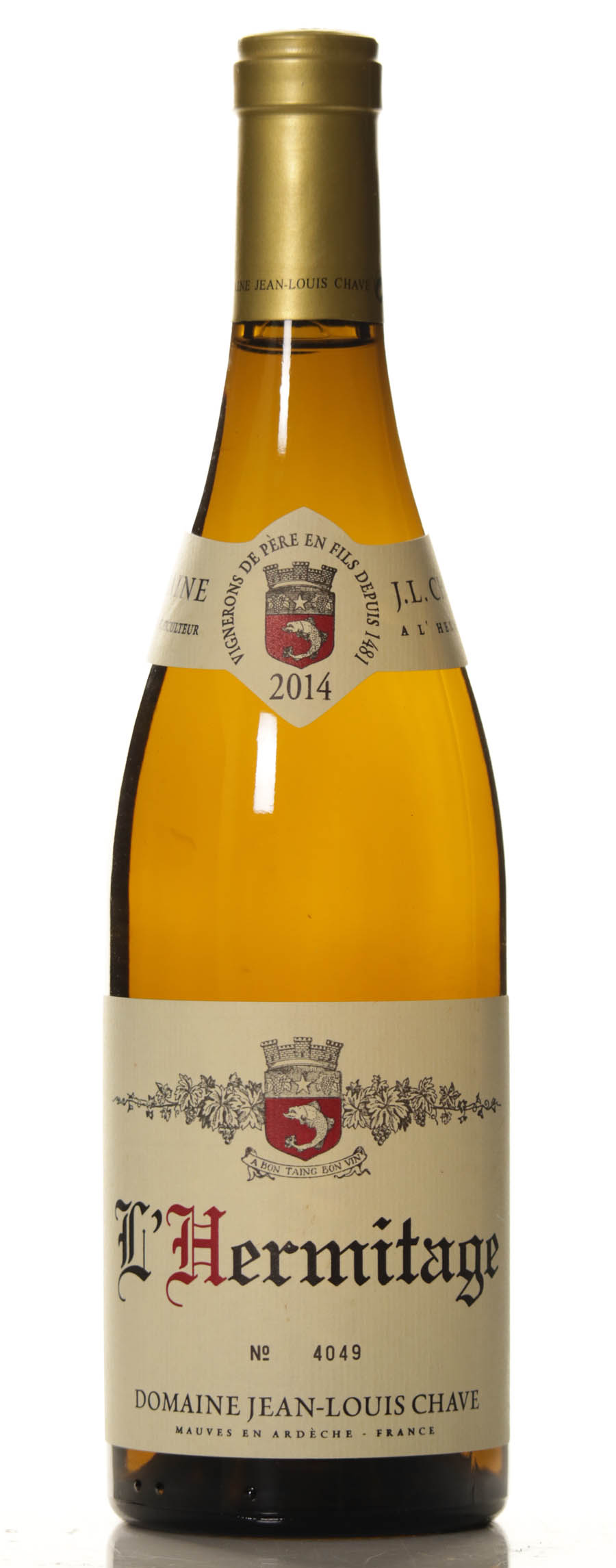
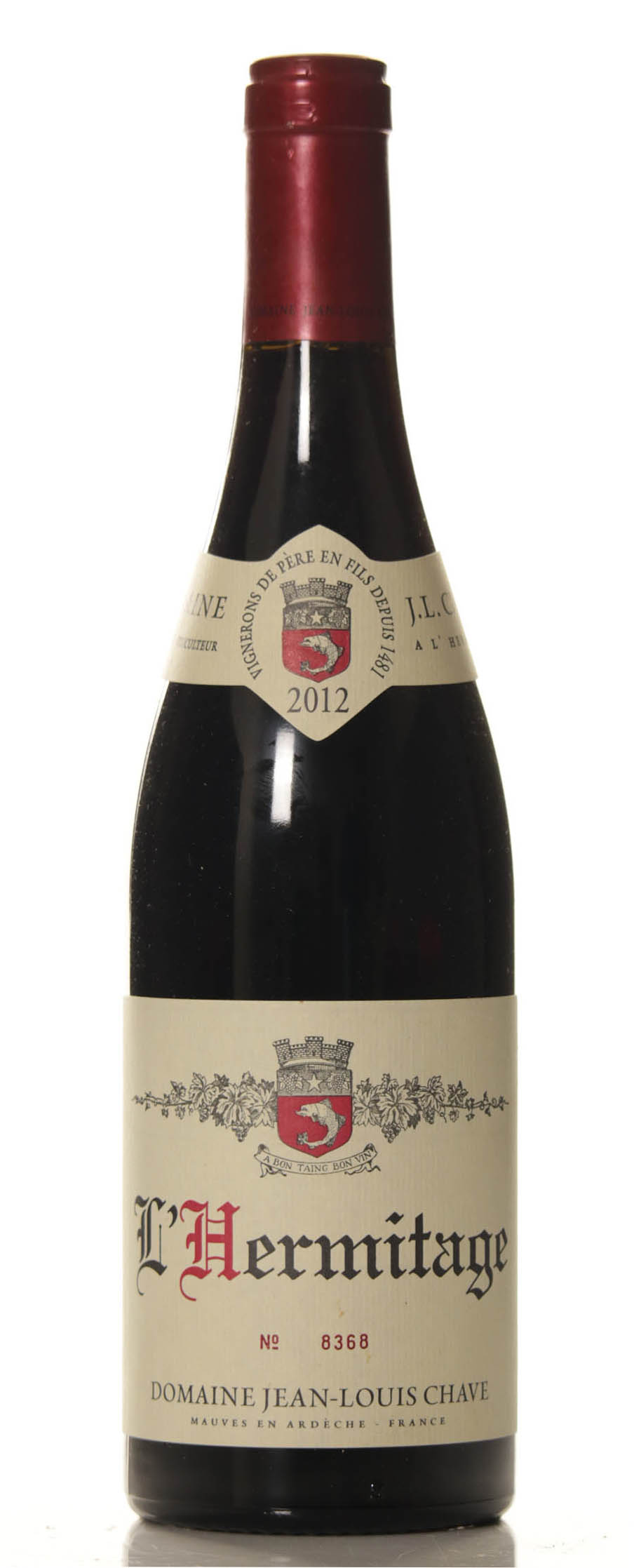
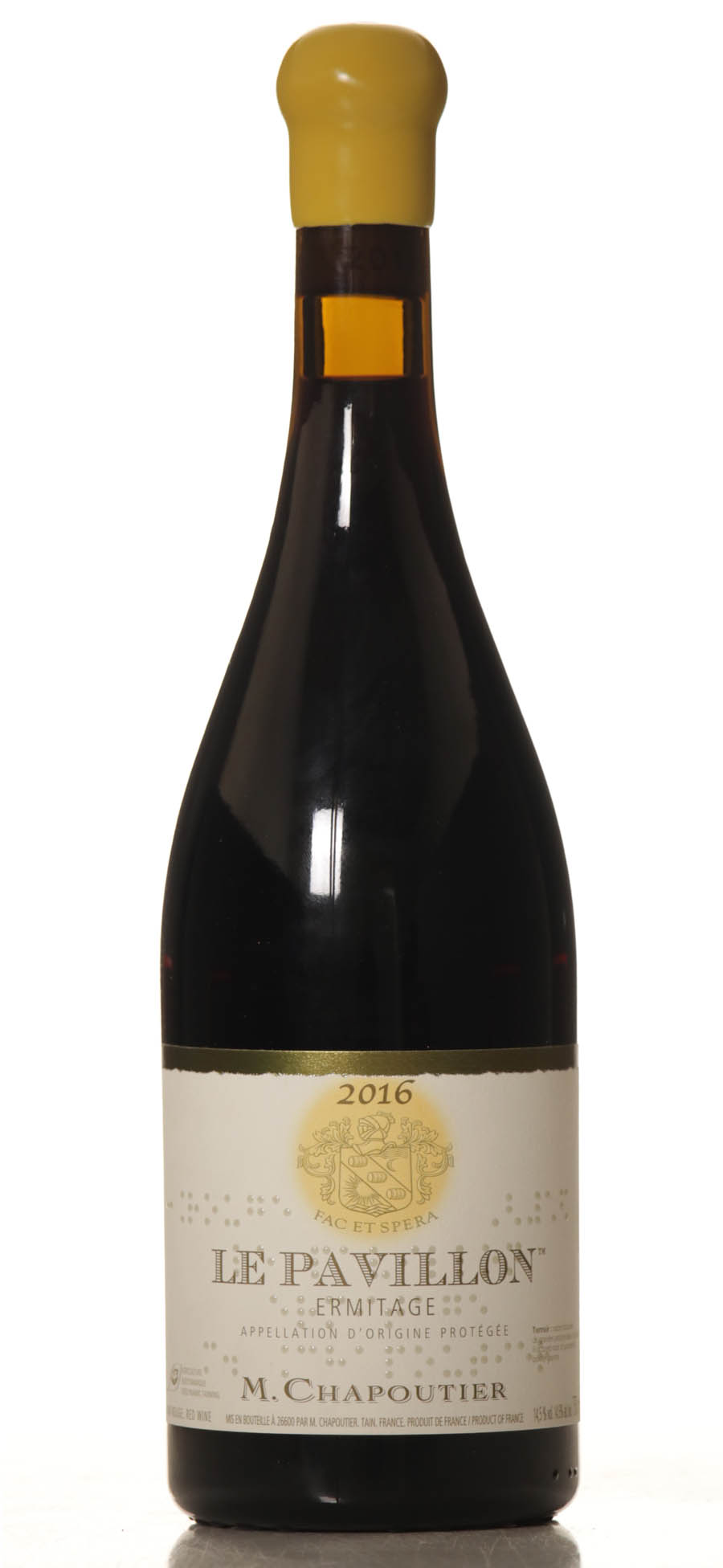
Our range includes wines from Hermitage by producers including Jean-Louis Chave, Paul Jaboulet Aîné, M. Chapoutier, E. Guigal and Delas. If you would like to explore the Rhône further, you will also find Châteauneuf-du-Pape, Cornas and Côte-Rôtie in our range.
Grape and style
Red Hermitage is made from syrah. A small addition of the white varieties marsanne and roussanne is permitted, but many houses leave it out. The wine is dark, tightly built and highly concentrated, with aromas of blackcurrant, pepper, smoke, tar and, with the years, truffle and leather. The tannins are firm in its youth and need time.
White Hermitage is also made, from marsanne and roussanne. This wine is rich, oily and nutty, with a surprisingly long life.

Location and soil
Hermitage is one large, steep hill massif on the left bank of the Rhône, directly above the town of Tain-l’Hermitage. The slope faces due south, so the grapes receive plenty of sun. On top of the hill stands a chapel that belongs to the name of the wine.
The soil varies: granite in the western part, with stony, lean ground, and more chalk, loess and clay-rich soils in the east. Vineyards such as Les Bessards, Le Méal and L’Ermite each have a character of their own, and many producers make their wine by blending plots from different parts of the hill.
Classification and rules
Hermitage is an appellation in its own right within the Northern Rhône and is one of the smallest of the region, because the hill offers only limited space. For red, the rules permit syrah, with a limited addition of marsanne and roussanne, and for white marsanne and roussanne.
Besides dry wine, there is a rare sweet speciality, the vin de paille, for which grapes are dried on straw mats after the harvest to concentrate the sugars. The area has no formal classification of vineyards; the name of the plot on the label is a matter for the producer.
Ageing and serving
Hermitage is known as one of the longest-lived wines in France. Red Hermitage is often closed when young and needs years to open up; good bottles can evolve for decades. Decanting helps a young wine, while with old bottles careful pouring is better.
Serve red at around 16 to 18 °C. The wine pairs well with game, red meat, braised beef and hard cheeses. White Hermitage gains complexity with ageing and should not be served too cold, at 11 to 13 °C, for example with veal, poultry or rich fish dishes. If you would like to get to know the southern Rhône, Châteauneuf-du-Pape is a logical next step.
Producers in our range
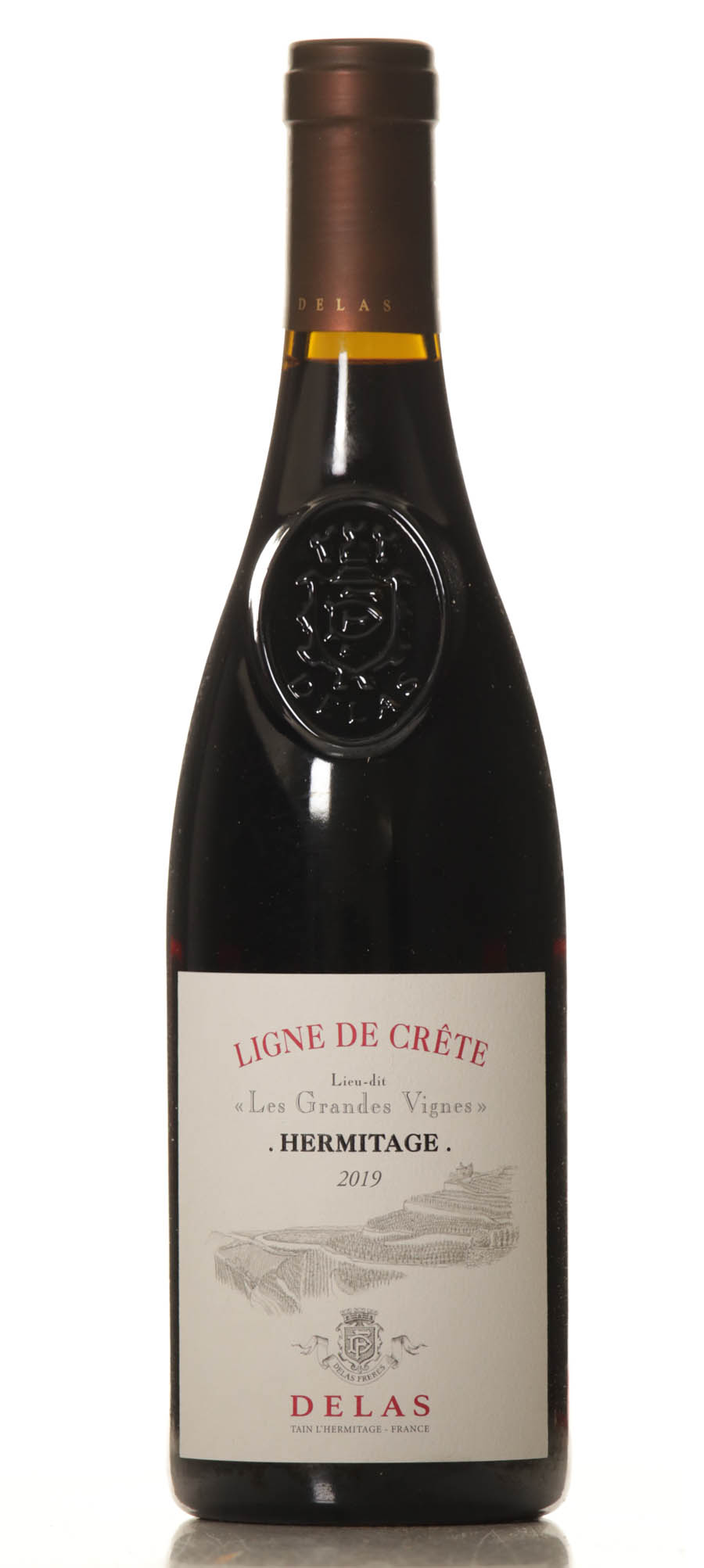
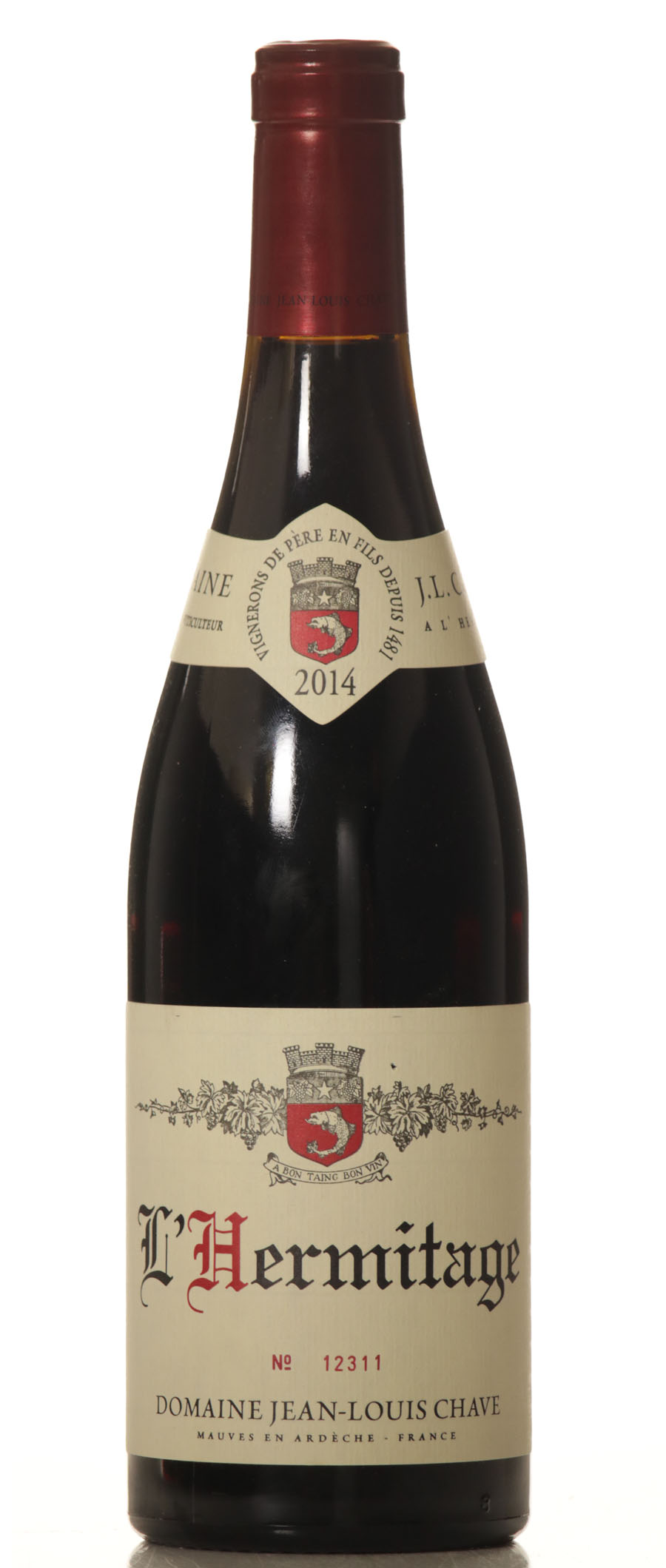
These producers feature in our Hermitage range: Jean-Louis Chave, Paul Jaboulet Aîné (La Chapelle and La Petite Chapelle), M. Chapoutier (Le Pavillon and Monier de la Sizeranne), E. Guigal (Ex-Voto) and Delas (Les Tourettes and Ligne de Crête).
Red and white
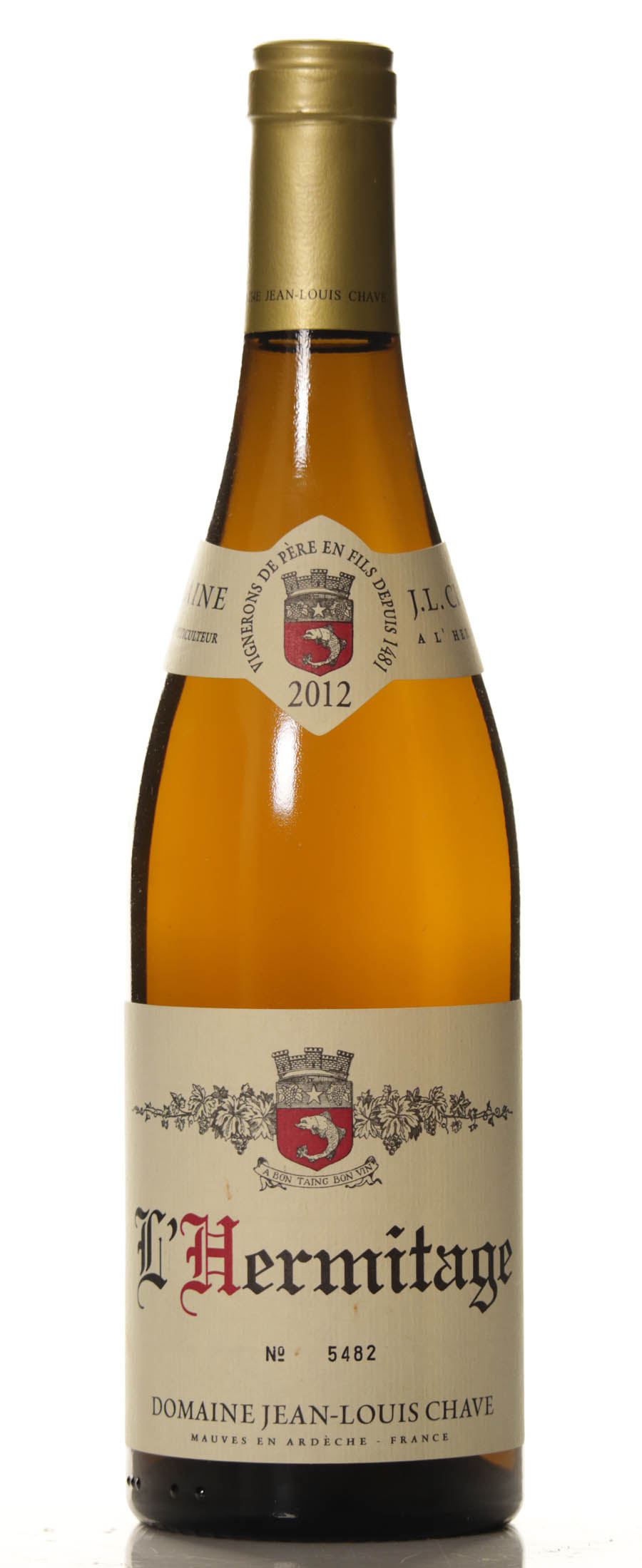
Our range includes both red and white wines from Hermitage, among them the white Hermitage from Jean-Louis Chave and the Ex-Voto Blanc from Guigal.
More from the Rhône
You will find more wines from the Rhône under Châteauneuf-du-Pape, Cornas and Côte-Rôtie.