filter

Country

Region

Sub-region

Producer

Wine type

Volume

Rating

Vintage

Packaging

Price

Contact

Do you have questions or need advice? Get in touch with us directly:

Ask a question

Barbaresco

Barbaresco lies east of Alba, on the other side of the town from Barolo. Here too nebbiolo is the only permitted grape, but the vineyards lie lower and warmer, so the wines are approachable sooner. The required ageing is shorter than that of Barolo.

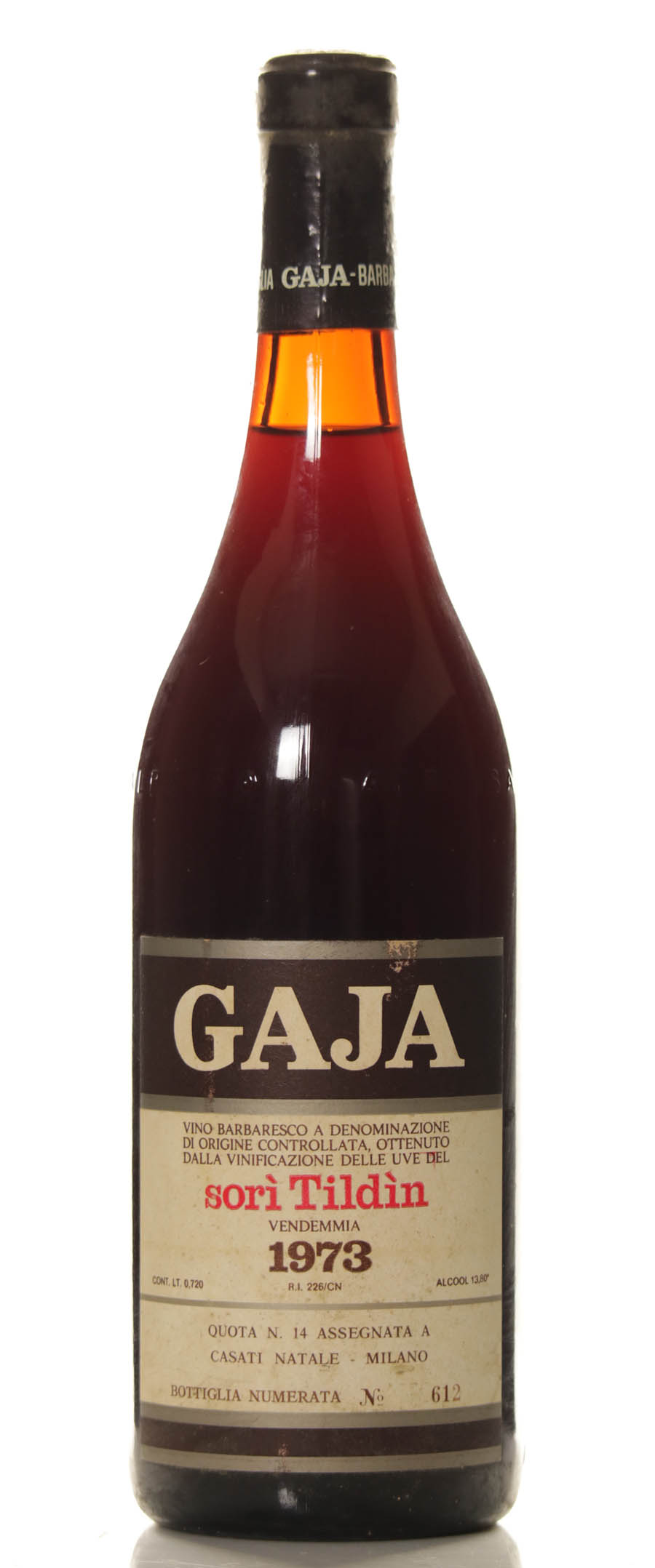
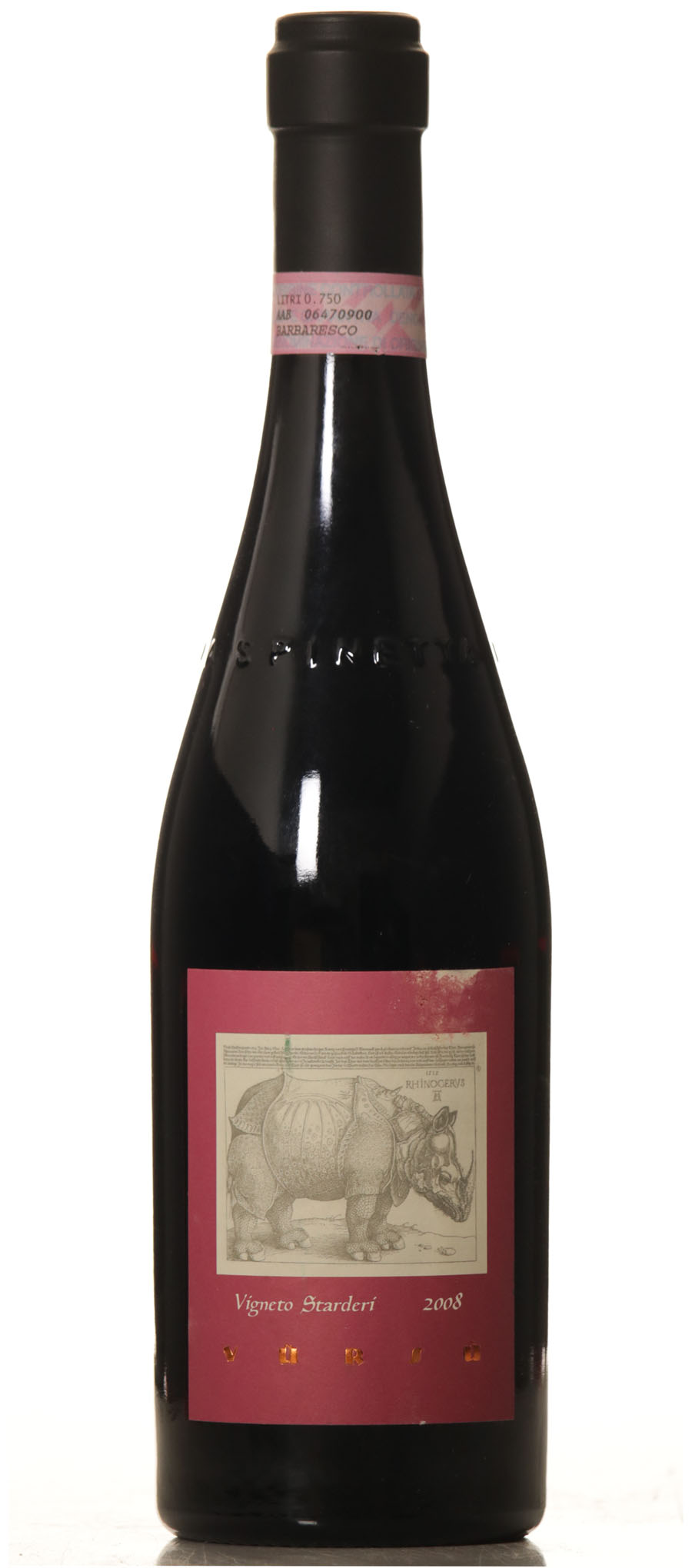
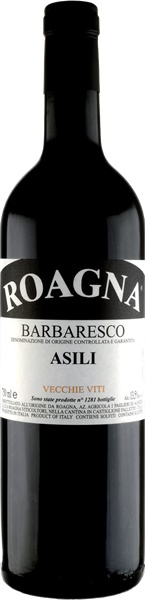
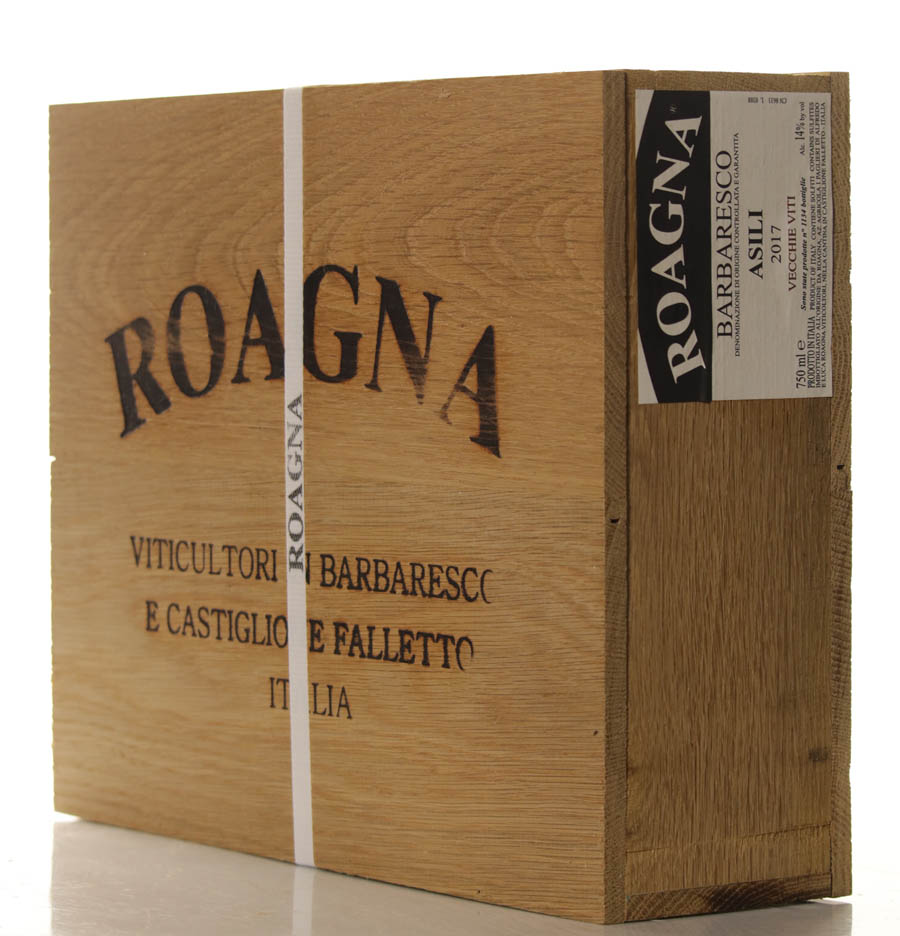
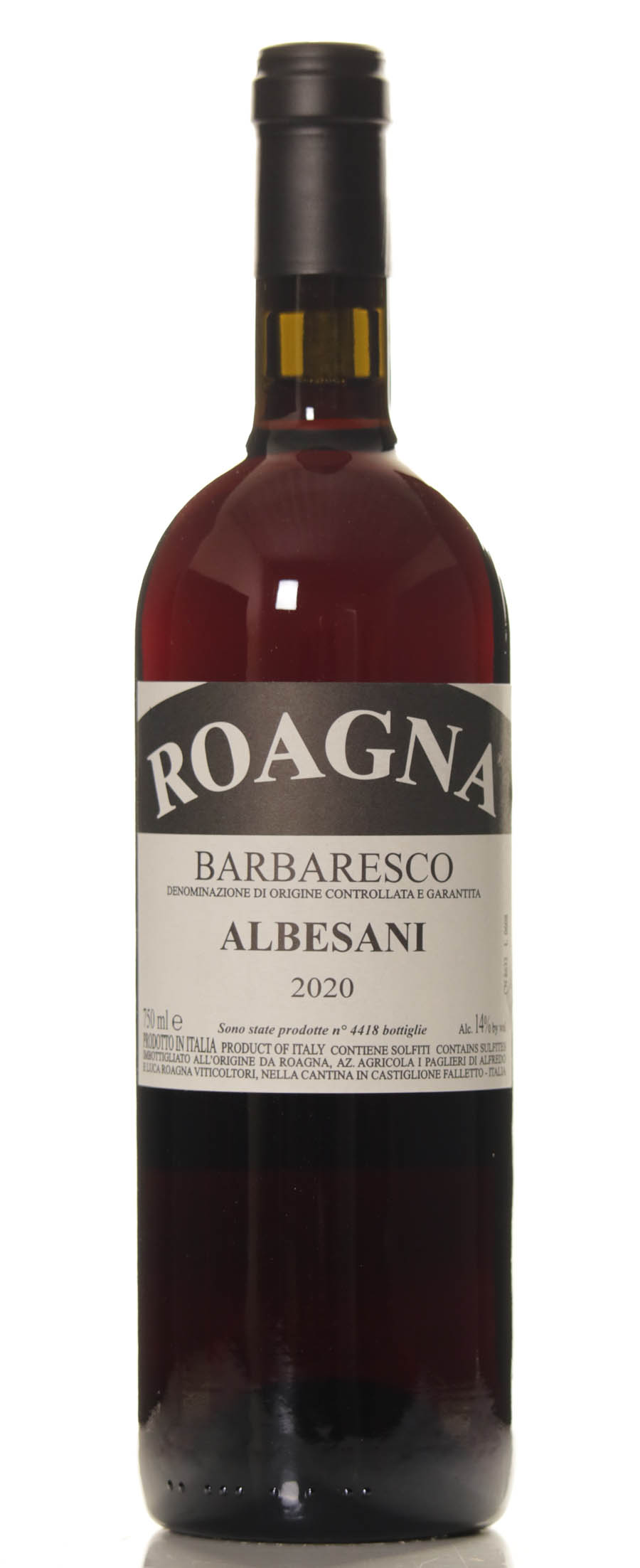
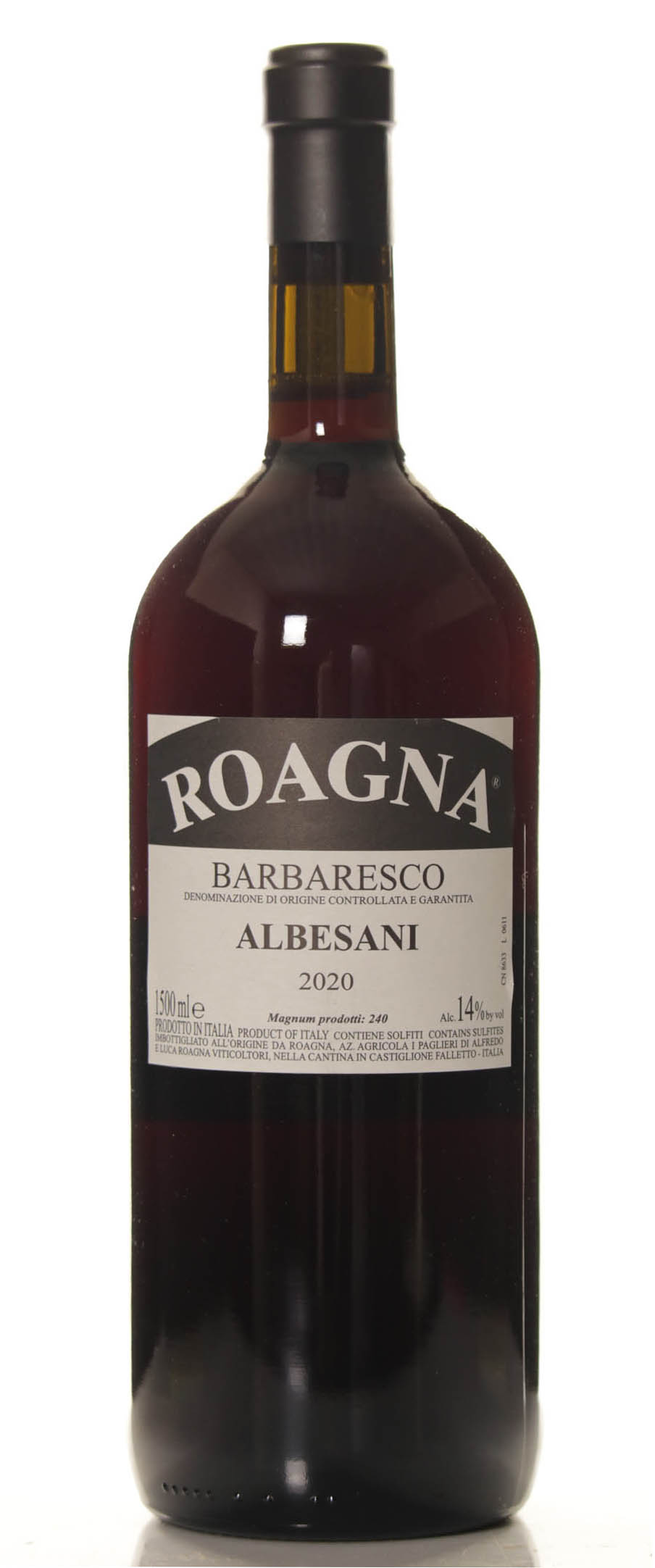
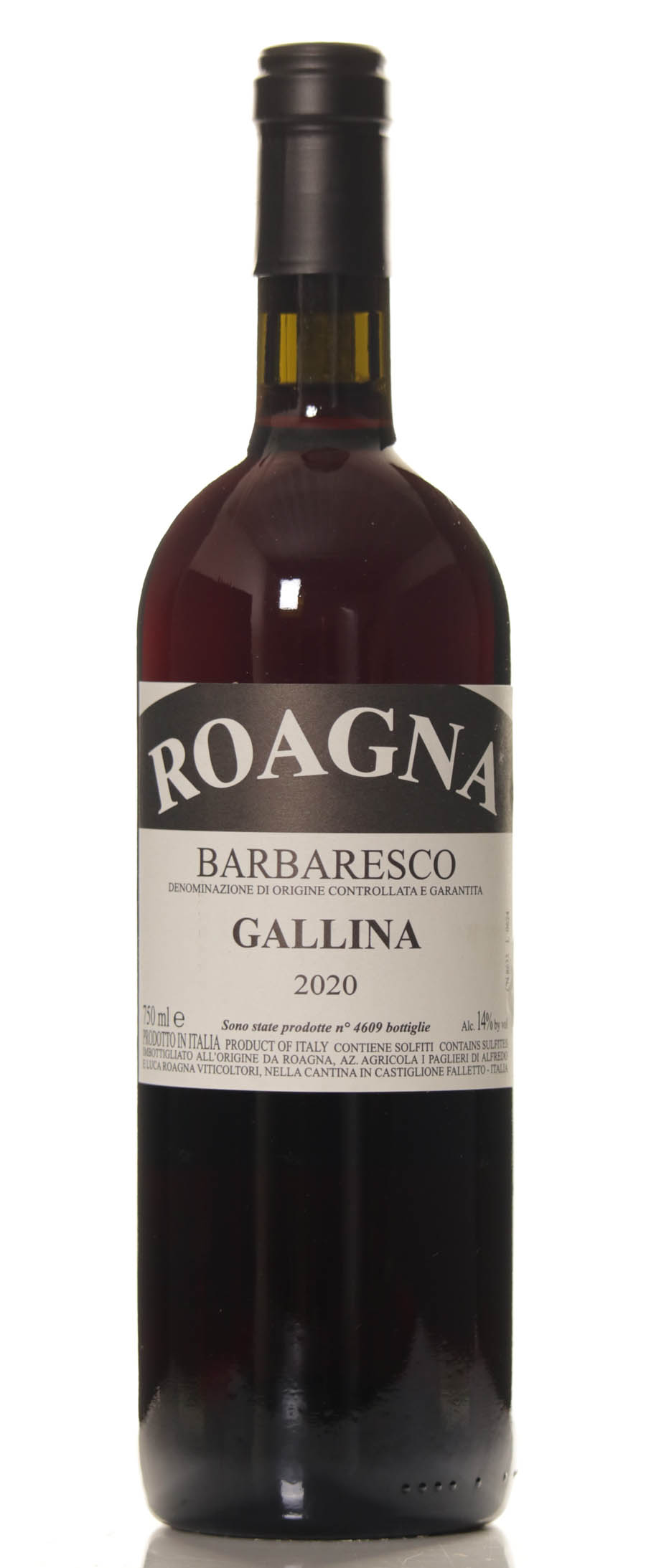
Our range includes wines from Barbaresco by producers including Gaja, Roagna, Bruno Giacosa, La Spinetta and Vietti. If you would like to explore Piedmont further, you will also find Barolo and Langhe in our range.

Read more

Grape and style

Barbaresco is, like its famous neighbour Barolo, a wine made from the nebbiolo grape. In the glass the wine shows a bright, fairly pale colour with aromas of roses, red cherries, violets, spices and, with ageing, also tar, truffle and leather. Barbaresco is often described as the more elegant of the two: the structure is still firm, but the tannins are generally finer and the wine is approachable sooner. This gives it the reputation of a wine that shows its lovely side even in its younger years.
Location and soil

The area lies north-east of Alba, on the river Tanaro, and is much smaller than that of Barolo. The best-known villages are Barbaresco, Neive and Treiso. The vineyards lie lower and closer to the river, so the climate is slightly milder and the grapes ripen earlier. The soil consists largely of calcareous marl, with differences in composition that determine the characters of the villages. The position on the slope plays a major role here, and many producers state the name of the vineyard on the label.
Classification and rules

Barbaresco has DOCG status (Denominazione di Origine Controllata e Garantita) and must be made entirely from nebbiolo from the delimited area. The ageing requirements are slightly less strict than those of Barolo, which contributes to its more approachable character. There is also a Riserva with longer ageing. Within the area, vineyards are officially designated as MGA (Menzione Geografica Aggiuntiva); well-known names are Asili and Rabajà. If you would like to set the two areas side by side, you will find the article on Barolo.

Ageing and serving

Barbaresco can keep well in the cellar for several years and, in a good vintage and from a good producer, age for decades. The wine is often drunk earlier than Barolo, but benefits from an hour or two in the decanter. Serve it at 16 to 18 °C in a generous glass. Old bottles call for careful pouring because of sediment. Barbaresco goes well with mushroom risotto, tagliolini with truffle, veal, rabbit, poultry and cheeses such as Castelmagno.

Producers in our range

These producers feature in our Barbaresco range: Gaja, Roagna, Bruno Giacosa, La Spinetta, Vietti and Antonio Nizza.

Vineyards on the label

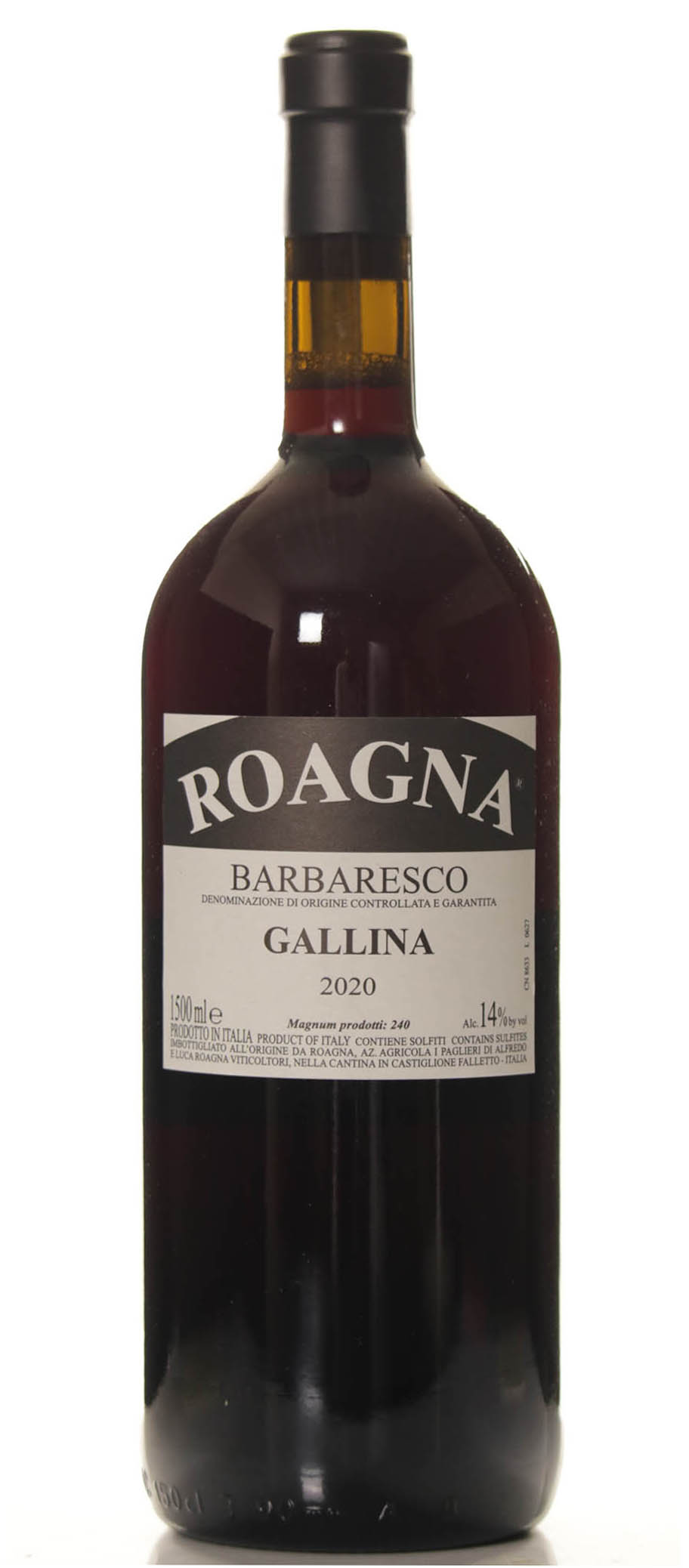
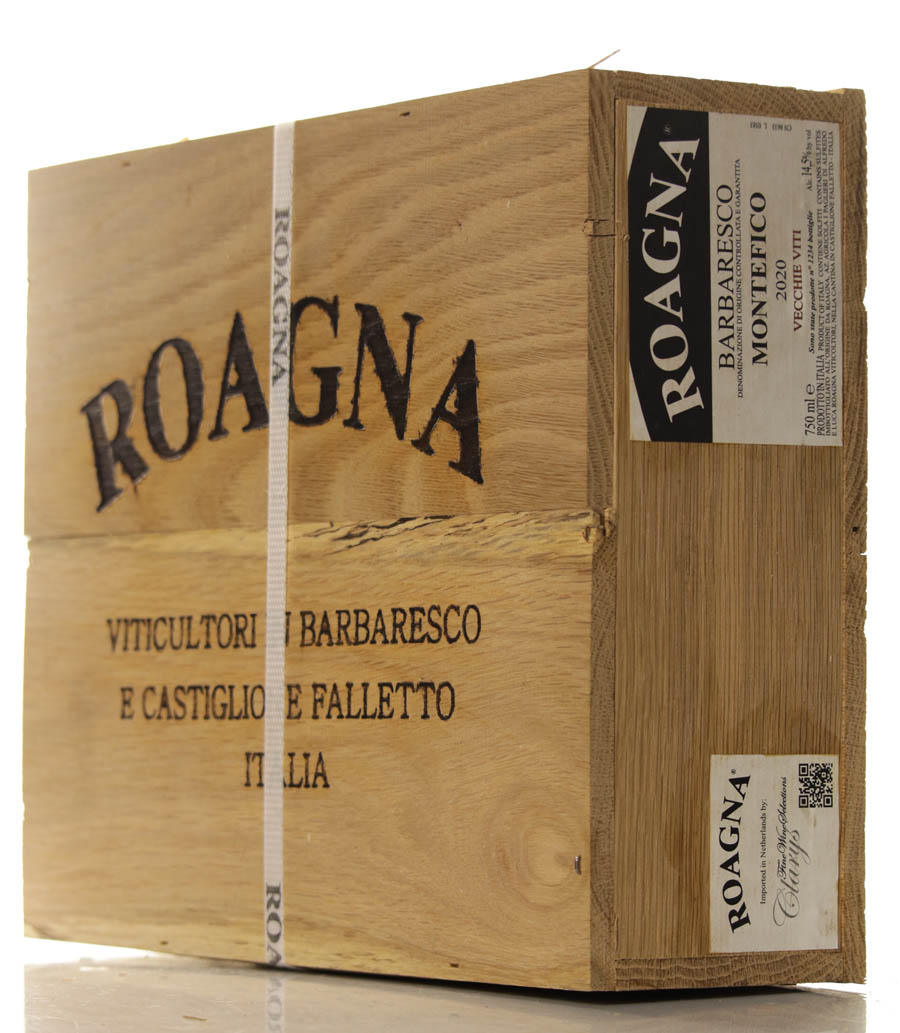
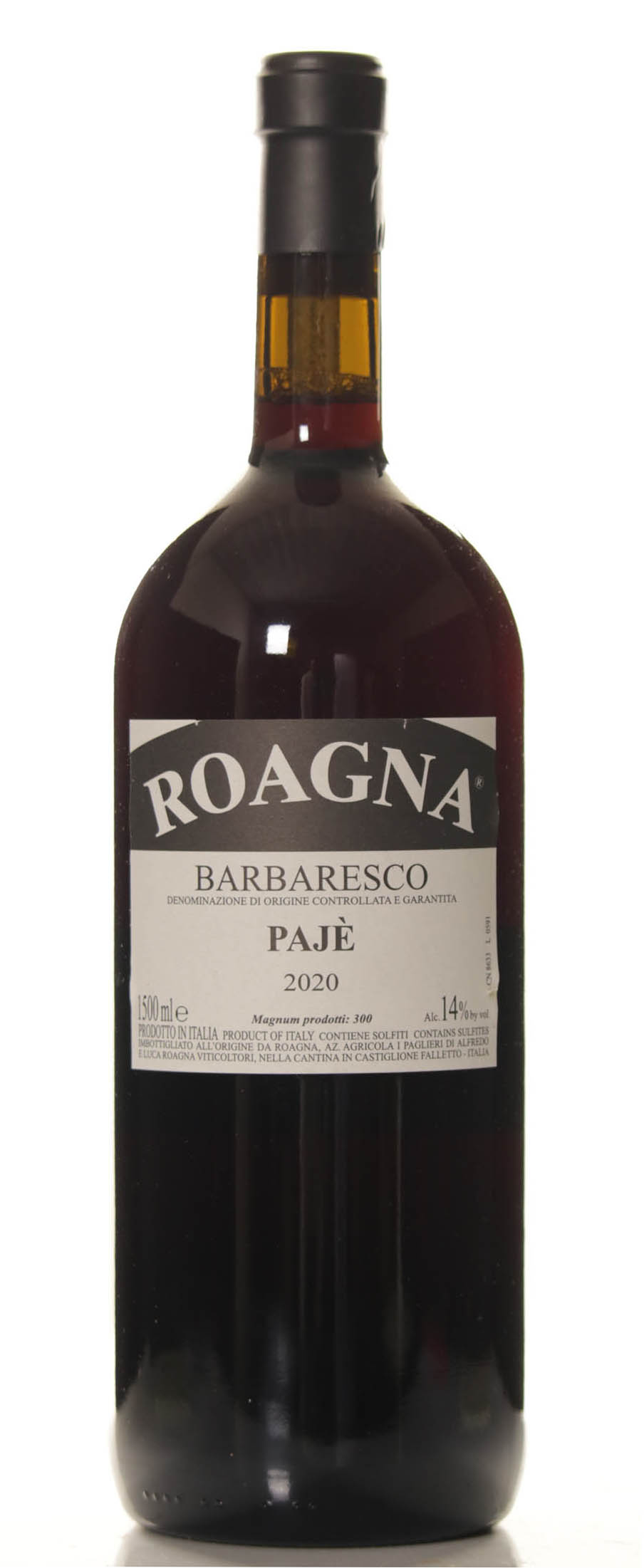
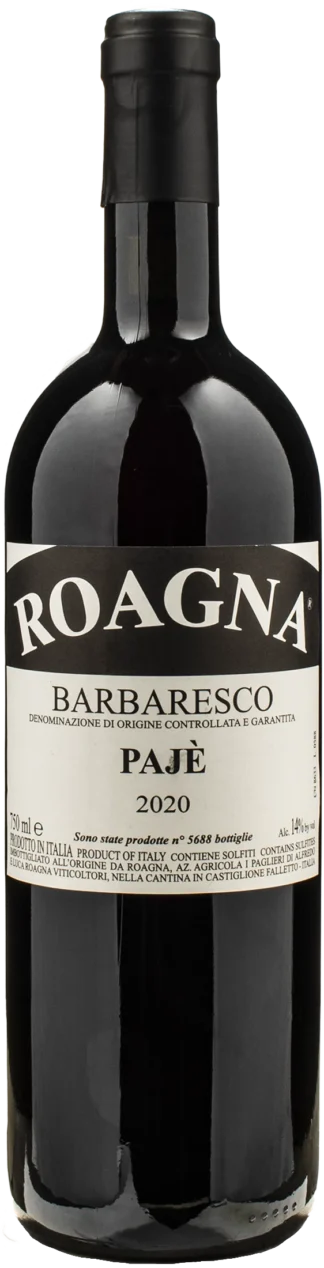
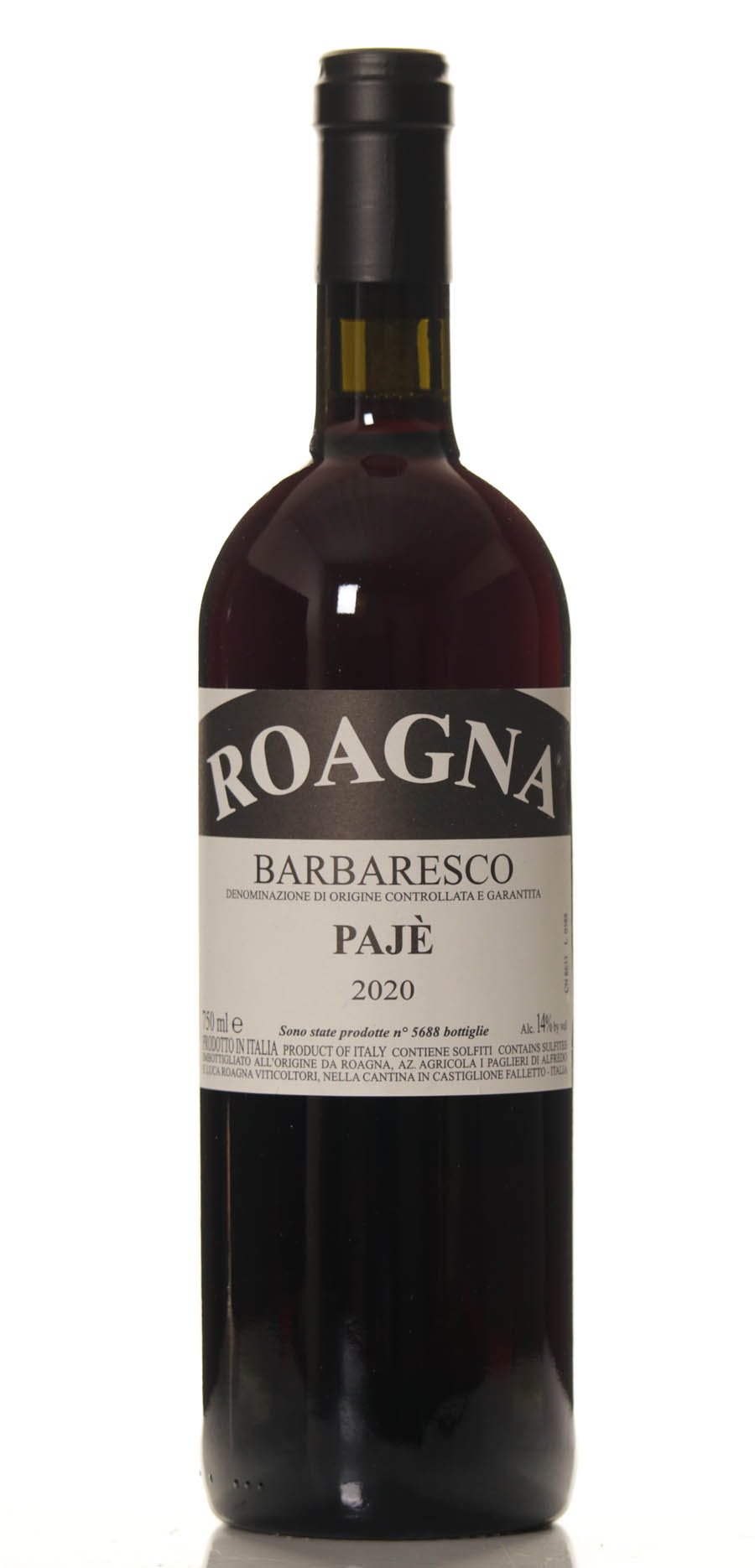
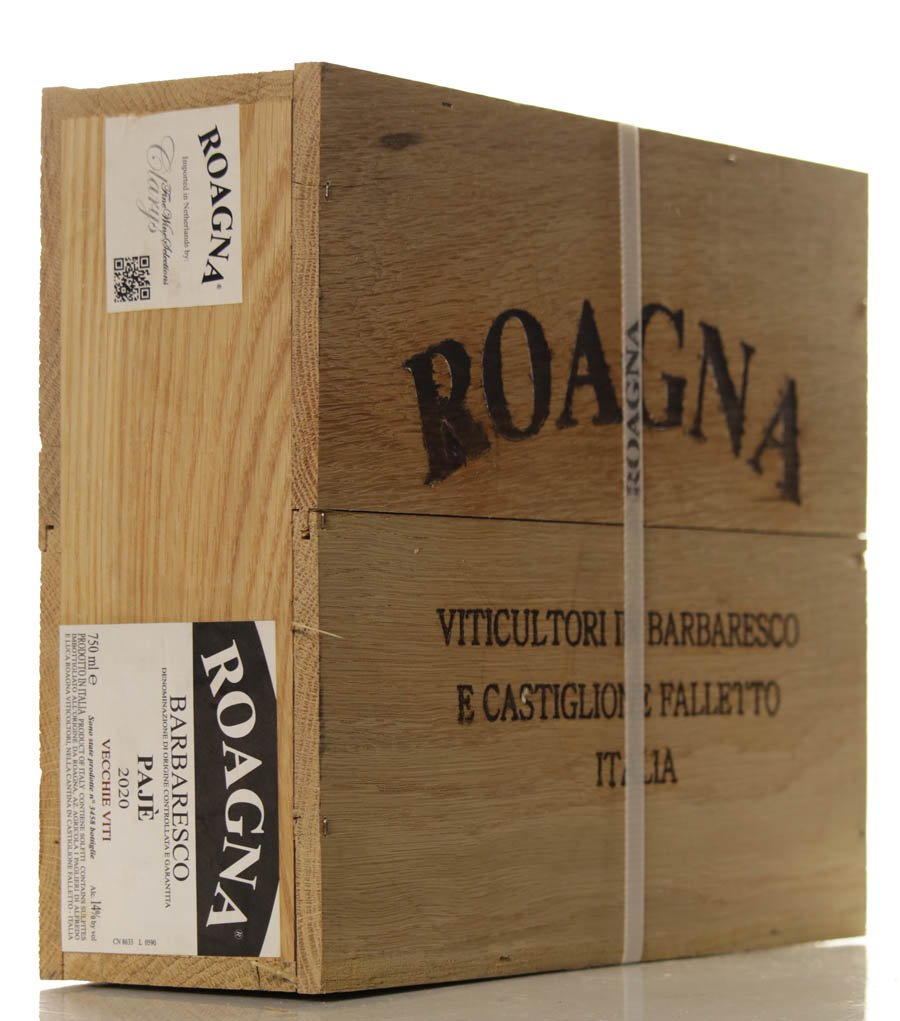
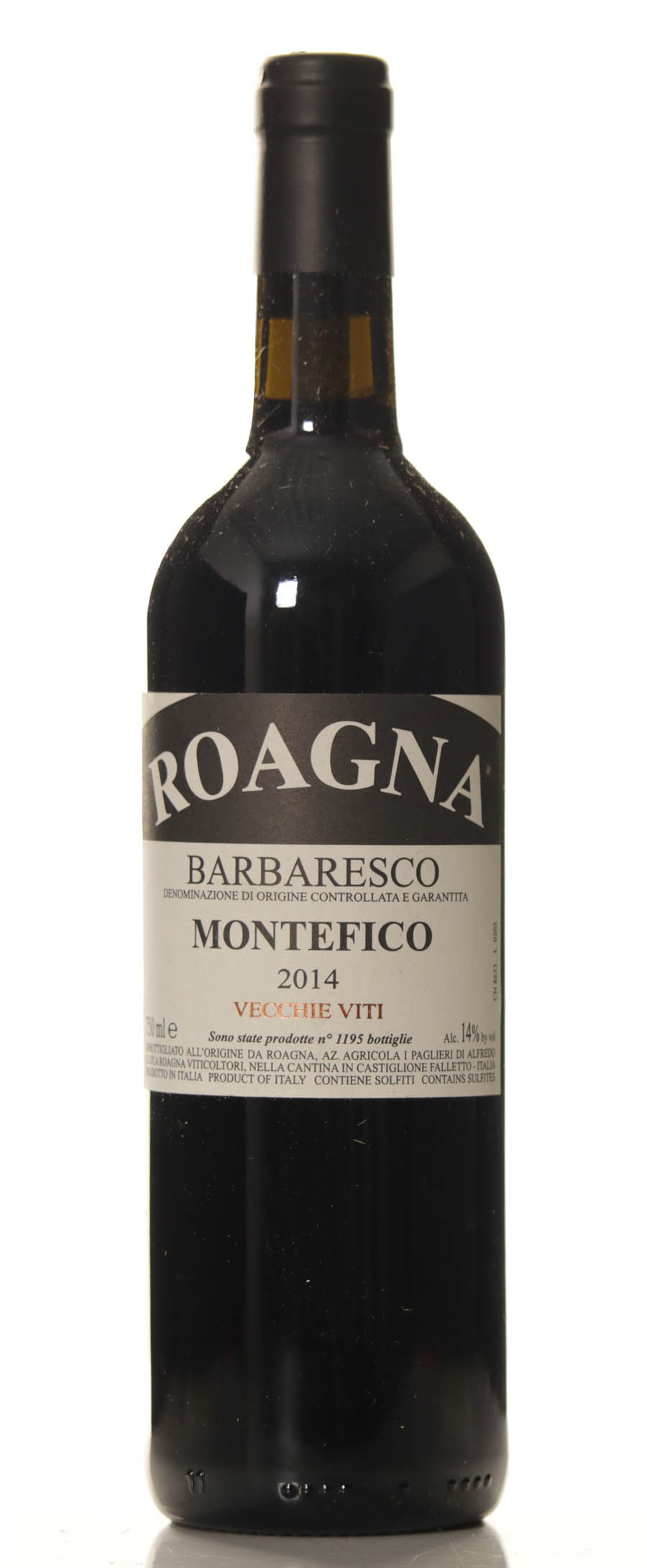
Names on the labels in our range include Sorì San Lorenzo, Sorì Tildìn and Costa Russi from Gaja, Asili, Pajè, Montefico, Albesani and Gallina from Roagna, Asili from Bruno Giacosa and Masseria from Vietti.

More from Piedmont

You will find more wines from Piedmont under Barolo and Langhe.

News from Vineut

Sign up for the newsletter and stay up-to-date!