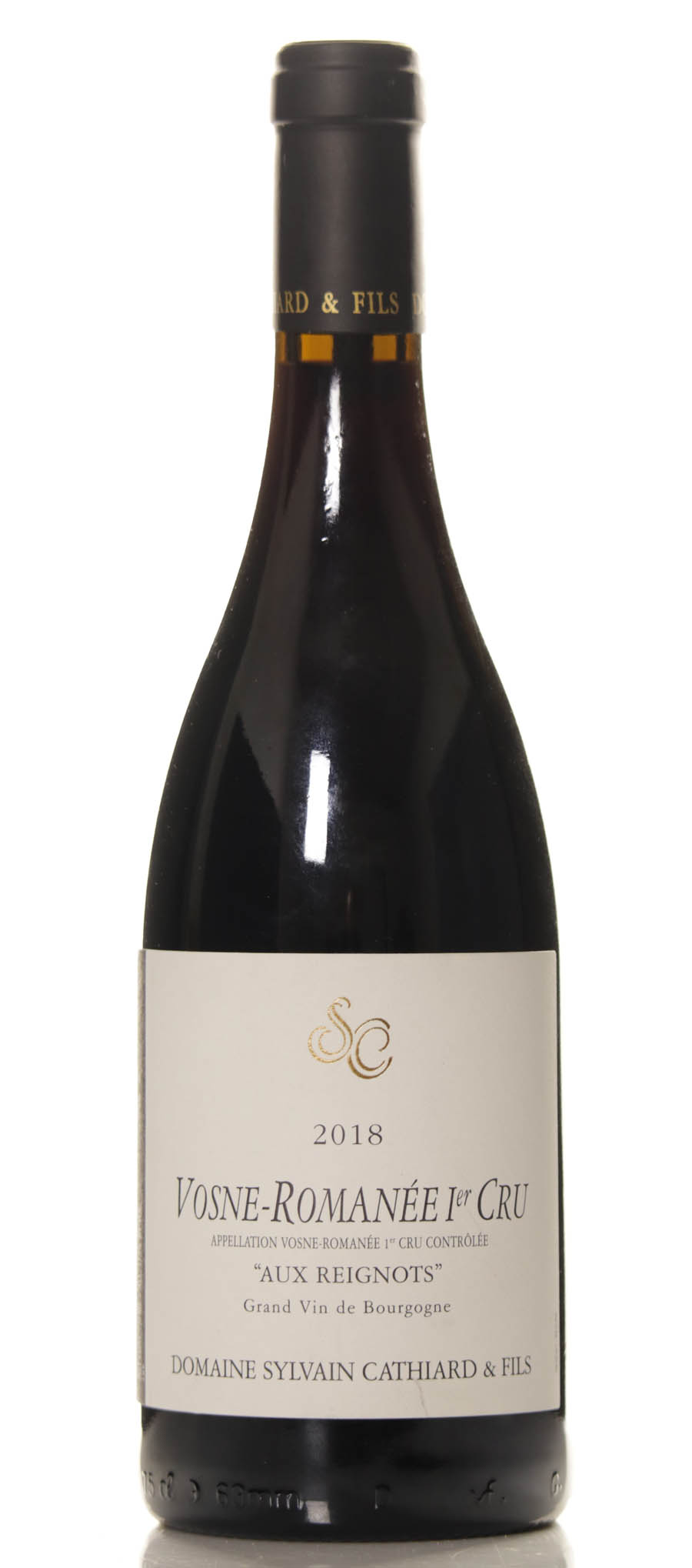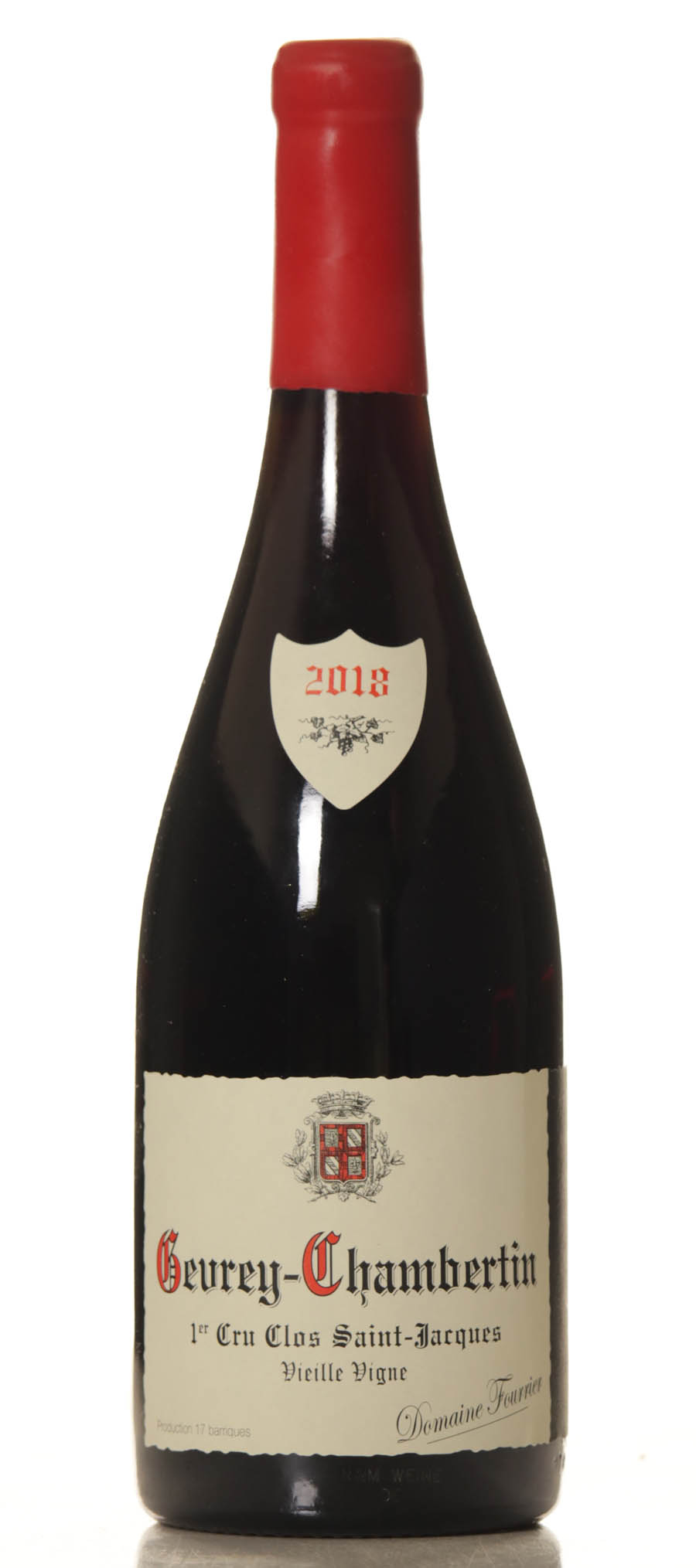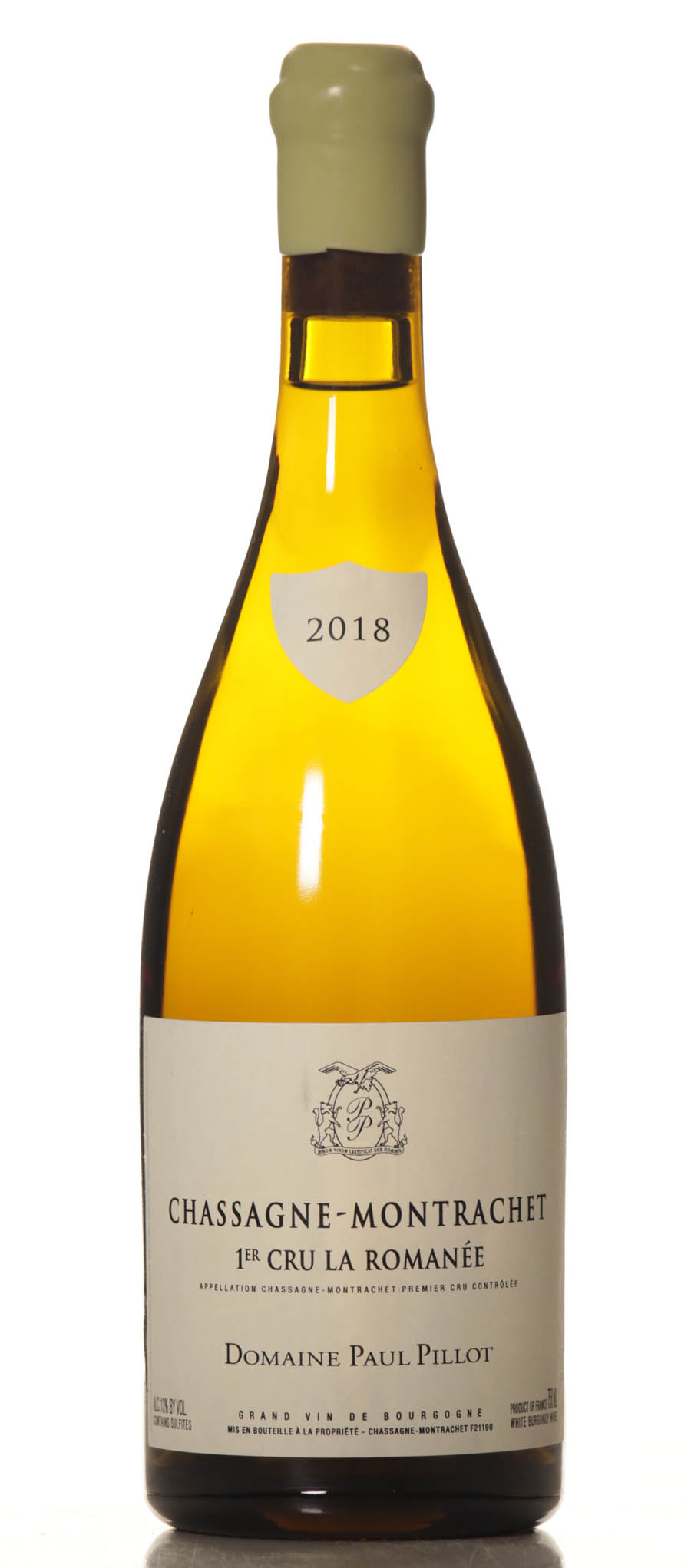





Labels
Bottles Bourgogne Size
For Burgundies and wines in comparable bottles, such as wines from Germany and Alsace, the filling level is indicated in centimeters. Measured from the bottom of the cork to the level of the wine. Levels less than 2 centimeters are not described.

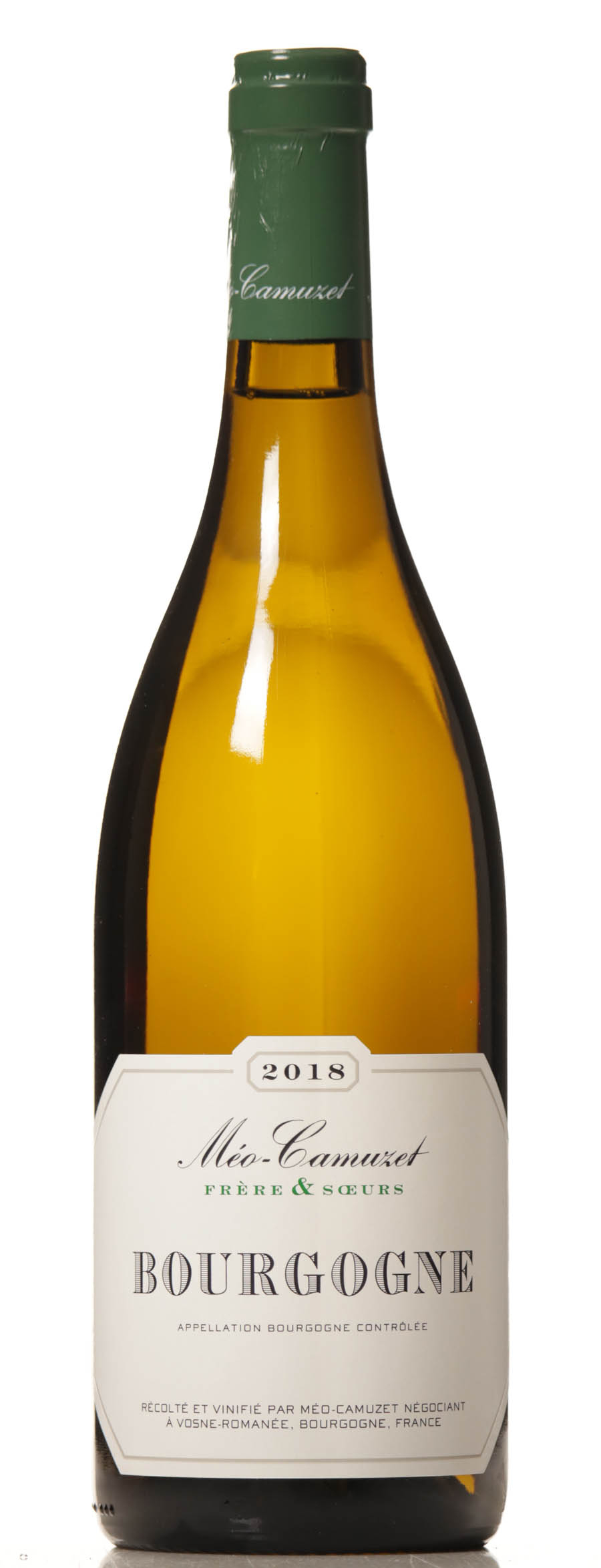
Bourgogne blanc 2018 Meo Camuzet
Out of stock
Email me when this wine is available again
Specifications
| Country | |
|---|---|
| Region | |
| Sub Region | |
| Bottling | Estate Bottled |
| Type of Wine | White wine |
| Vintage | |
| Bottle size | 0.75 L |
| Packaging | Loose |
| Rating Scale | – |
| Rating | – |
| Reviewer | – |
Label |
gl |
| Capsule | good condition |
| Level |
neck |
Bourgogne Blanc is the still white wine produced under the regional Bourgogne appellation, in the Burgundy region of France. Created in 1937, the Bourgogne title covers those Burgundy wines produced in areas not covered by more location-specific appellations. Bourgogne Blanc wine can be made from grapes grown in any one (or more) of 300 communes.
The grape varieties permitted for use in the appellation are Chardonnay, Pinot Blanc and Pinot Gris. The widespread use of Chardonnay reflects its international popularity, and plantings of this variety are rapidly replacing those of Pinot Blanc and Pinot Gris.
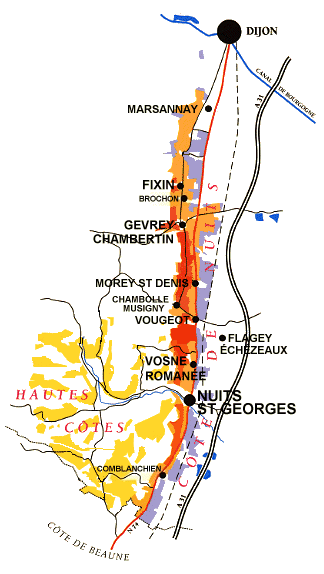
There are currently around 1000 hectares (2470 acres) of land producing Bourgogne Blanc wines, spread right across Burgundy. In the Côte de Beaune and Côte de Nuits sub-regions, the sites are concentrated on the lower slopes of the Côte d’Or escarpment; the land on the middle slopes is generally occupied by more-prestigious Premier Cru and Grand Cru vineyards. Although covered by the title, the highest land in the Côte d’Or produces very little Bourgogne Blanc, as it is also included in the more prestigious Hautes Côtes de Beaune and Hautes Côtes de Nuits appellations.
The appellation laws for Bourgogne wines are generally less restrictive than those covering Burgundy’s location-specific titles. The maximum permitted yield is lower and the regulations around vineyard management – such as vine training techniques and vineyard planting densities – are also more relaxed.