




Investing in Wine: Which Bottles to Choose? Wine is more than just a drink; it’s an art form and an investment. More and more people are considering investing in wine. But which bottles should you choose if you want to take this step? The answer isn’t simple. You need to take various factors into account, such as brand, origin, and aging time.
The popularity of wine investments is growing rapidly. This is partly due to the search for alternative investment opportunities. Traditional markets are often volatile, while fine wines can offer stable investments. However, investing in wine does require knowledge and careful selection of investment wines.
A good bottle can offer not only great taste but also significant value over time.
How does this affect your investment strategy? It all starts with choosing the right bottle. Consider factors such as the wine’s origin and its potential for appreciation. Also, ensure you have proper wine storage to preserve its quality. These elements play a crucial role in the success of your investment.
Why Invest in Wine?
Investing in wine offers unique opportunities and challenges. The appeal of investment wines lies in their potential to appreciate in value over time. But why do people choose to invest in wine?

Benefits of Investing in Wine
- Permanent Selection: Top wines come from renowned regions such as Bordeaux and Burgundy, known for their high quality.
- Low correlation: The wine market often moves differently from the stock markets, which provides diversification for your portfolio.
- Physical assets: Wines are tangible goods, which can be attractive as a hedge against inflation.
A study by Knight Frank showed that the value of investment wines rose by 13% per year over the past decade.
Tip: Choose bottles from well-established wineries for greater investment security.
Risks and Challenges
However, investing in wine is not without risks:
- Storage Requirements: Proper wine storage is crucial. Bottles must be stored at a constant temperature and humidity.
- Illiquid market: Wine sales can be slow; it’s hard to make money quickly.
- Authenticity: Counterfeit bottles do exist, so buy only from reliable sources.
Have you ever thought about the storage conditions for your wine investments? Improper storage can negatively affect the taste and value.
Is it worth it?
Whether investing in wine is really worth it depends on your goals. Are you looking to diversify your portfolio, or do you enjoy collecting valuable bottles? Think about what’s right for you before you start investing in this market.
A balanced approach helps you make an informed decision. Always consider seeking professional advice before making major investments.
Which bottles are suitable for investment?
Investing in wine can be lucrative if you make the right choices. But which bottles should you choose? Investment wines must have specific characteristics that cause their value to rise.
Characteristics of investment wines
- Age: Older wines often increase in value, especially if they have aged well. Think of Bordeaux from great vintages.
- Rarity: The fewer bottles available, the higher the potential value.
- Winery reputation: Wines from renowned producers such as Château Lafite Rothschild often retain and increase in value (source).
A good investment wine offers a balanced combination of rarity, quality, and demand.
Top Wine Regions for Investment
- Bordeaux: Known for its iconic names and excellent aging potential, Bordeaux remains a favorite among investors.
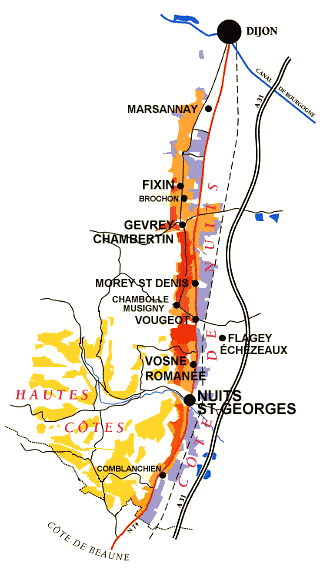
- Burgundy: Wines such as Pinot Noir and Chardonnay have proven to offer good value, partly due to their limited availability (source).
- Champagne: Vintage champagnes are becoming increasingly popular as an investment due to their scarcity and growing demand.
| Region | Well-known varieties | Investment Potential |
|---|---|---|
| Bordeaux | Cabernet Sauvignon | High |
| Burgundy | Pinot Noir | High |
| Champagne | Vintage Blends | Rising |
Have you ever thought about where to store your wine? Proper wine storage is crucial for preserving its quality and increasing its value. Make sure to maintain a constant temperature and humidity.
Choose your bottles carefully and keep an eye on trends. Investing in wine requires patience and knowledge. Start by choosing well-known regions to increase your chances of success. Want to know which region suits your taste? Then check out our article on famous wineries in France.
Investing in wine may seem complex, but with the right information, you can make informed decisions that will pay off in the long run.
Investing in Wine: Which Bottles from Bordeaux?
Why burgundy?
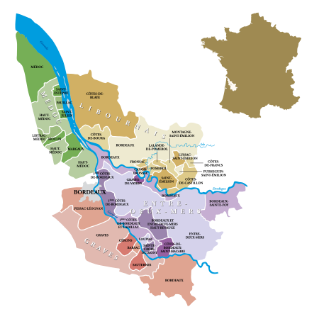
Bordeaux wines are a top choice for investors. What makes this region so special? Bordeaux, located in France, is famous for its unique terroir. This term refers to the combination of climate, soil, and location that influences grape quality.

The region enjoys a temperate maritime climate. This provides optimal ripening conditions . The presence of rivers such as the Gironde also improves growing conditions.
Did you know that? Bordeaux produces more than 700 million bottles of wine each year.
Historical Context
Bordeaux has a rich history of wine production. It has been exporting its wines worldwide since the 18th century. This history contributes to the reputation and value of Bordeaux wines.
Below are some well-known appellations in Bordeaux:
| Appeal | Characteristics |
|---|---|
| Médoc | Full-bodied red wines, often made with Cabernet Sauvignon |
| Saint-Émilion | Softer red wines with Merlot as the primary grape variety |
| Pomerol | Known for its complex and elegant red wines |
Practical Tips for Your Investment
When choosing Bordeaux wines for investment, consider the following tips:
- Choose well-known châteaux: Well-known names are a guarantee of quality.
- Look for good vintages: Certain years, such as 2005 and 2010, are known for their excellent quality.
- Storage is crucial: Maintain a constant temperature and humidity to store your wine properly.
Have you thought about how to store these valuable wines? After all, proper wine storage can make the difference between an ordinary bottle and a lucrative investment.
For more insight into the value of expensive wines, check out “Why Are Expensive Wines So Expensive, and What Determines Their Value?”—an explanation.
Wine: Which Bottles from Champagne
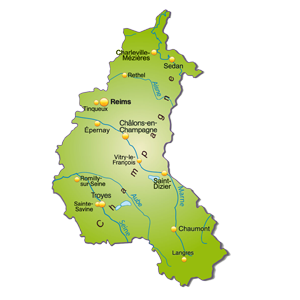
Champagne is an excellent choice for investors. The region is known for its luxurious sparkling wines. These wines have unique characteristics that enhance their value and appeal.
Champagne’s Unique Characteristics
Champagne stands out for its exclusivity and prestige. The region’s climate and limestone-rich soil contribute to its unique flavor profiles. What does this mean for your investment? Simply put, demand for top-tier Champagnes remains high worldwide due to their limited availability.
Tip: Invest in champagnes from renowned houses such as Krug or Dom Pérignon. Their reputation helps preserve their value over the long term.
In addition, Champagne offers excellent aging potential. Wines from good vintages can continue to improve in quality for decades. This makes them ideal investment wines for those who are patient.
| Property | Impact on value |
|---|---|
| Limited availability | High global demand |
| Proper aging | Increase in value over time |
It is important to understand how wine storage affects value. Champagne stored properly can age better, leading to higher returns.
- Store your bottles in a dark place.
- Keep the temperature constant at around 12°C.
- Maintain a humidity level of 70%.
Although investing in wine, such as Champagne, may seem appealing, keep in mind that no investment is risk-free. It’s always wise to seek professional advice if you have questions about specific investments. Why are expensive wines so expensive, and what determines their value? An explanation.
Have you thought about which Champagnes you’d like to add to your collection? Consider how these choices can enhance your portfolio.
Storage and Care of Collectible Wines
Investing in wine can be rewarding, but proper storage is crucial to maintaining its value. What’s the best way to store your investment wines?

Essential Storage Conditions
Wine requires specific conditions. Temperature and humidity play a key role in preserving its quality. Wine should be stored at a constant temperature of 10–15°C. Fluctuations can affect its taste and texture.
Maintain a stable humidity level of 60–80% to prevent the corks from drying out.
Avoid direct sunlight and strong odors. These can penetrate the cork and affect the wine. Have you thought about a good place to store your wine?
| Condition | Ideal Value |
|---|---|
| Temperature | 10–15°C |
| Humidity | 60–80% |
| Lighting | Dark environment |
| Air Quality | Odorless |
Check bottles regularly
Regular checks are essential for detecting problems early on. Check bottles for leaks, cork damage, or mold. Investment wines require careful handling, so how often do you check your collection?
- Visual inspection: Look for discoloration or stains on labels.
- Cork Check: Make sure the corks stay moist, but not too wet.
- Physical inspection: Check for pressure differences inside the bottle.
If you’re serious about investing in wine and the bottles you choose, it’s a good idea to keep a detailed inventory. This helps you track changes in value and condition.
Through careful management, you not only preserve the value of your wine investment, but you also enhance the enjoyment you get from it.
Finally, don’t forget that professional advice can be essential for personalized recommendations. Want to learn more about why some wines are so valuable? Check out “Why Are Expensive Wines So Expensive, and What Determines Their Value?” here for an explanation.
Frequently Asked Questions
-
Which wine is the best to invest in?
The best wines to invest in often come from renowned regions such as Bordeaux and Burgundy. Key selection criteria include the winery’s reputation, the wine’s age, and the rarity of the bottles. Top vintages and wines with good aging potential are also crucial for increasing value.
-
Is it worth investing in wine?
Investing in wine can certainly be worthwhile, especially for those looking to diversify their portfolio. The benefits include the potential for appreciation in value and the tangible nature of the assets, but there are also risks such as illiquidity and the need for proper storage. It’s important to consider your personal goals and the time horizon for your investment.
-
What is the best way to store wine?
The best way to store wine is to keep it at a constant temperature of about 12°C and a humidity level of 70%. Store the bottles in a dark room to preserve their quality. Make sure the bottles are stored horizontally so that the cork stays moist and doesn’t dry out.
-
Is wine a good investment?
Wine can be a good investment, especially compared to volatile markets such as the stock market. It has a low correlation with traditional investments and can serve as a hedge against inflation. However, as with any investment, there are risks involved, and it is important to be well-informed.
-
How does climate change affect wine investments?
Climate change has a significant impact on wine investments because it affects the growing conditions for grapes. Changes in temperature and precipitation can affect the quality and availability of wines from certain regions. This, in turn, can affect the value of investment wines, especially if the production of top-tier wines is jeopardized.
Conclusion: Successful Wine Investing – Summary and Tips
Investing in wine can be rewarding, provided it is done correctly. It starts with choosing the right wines to invest in. Select bottles from renowned regions such as Bordeaux or Burgundy. These regions have a proven track record of appreciation in value [source].
Wine storage plays a crucial role. Store your bottles in a cool, dark place with a constant temperature and humidity level. This ensures that the wine retains its quality and can increase in value.
“The right storage conditions can make the difference between success and disappointment.”
Think about how long you’re willing to wait for a return. Wine as an investment often requires years of patience before significant profits become apparent.
Tips for Success:
- Compare options: Find out about different wines and their price history.
- Consult a professional: Experts can offer valuable insights into trends and expectations.
- Start small: Invest in smaller amounts at first to gain experience.
Have you considered investing in wine? Carefully consider the factors mentioned above to increase your chances of success.