



Antique wine buying tips pitfalls: Buying antique wine is an exciting venture for many enthusiasts and collectors. Whether you’re looking for a rare bottle for your collection or want to invest in valuable wines, it’s important to be well-informed. In this article, we offer you handy wine tips and warn you about common wine pitfalls.
Interest in antique wines is growing rapidly. This is because more and more people are discovering the unique charm and historical value of these bottles. But what makes antique wine so appealing? It’s not just about the taste, but also the stories behind each bottle. From the year the wine was produced to the reputation of the wine estate.
Did you know that the price of an antique wine sometimes says more about the market than about its actual value?
Collectors should keep this in mind when making their purchase choices. Want to learn more about how to invest wisely in wine and which regions are interesting for this? Our guide on top regions worldwide offers valuable insights.
By being well-prepared, you avoid costly mistakes and enjoy your investment in antique wines to the fullest. What does this mean for you as a collector?
Why buy antique wine?
Antique wine fascinates many. But why invest in these old bottles? Let’s explore this.

The value of antique
Antique wines offer more than just a unique taste experience. Their value lies in several factors:
- Investment: Antique wines can significantly increase in value. Many collectors see it as a safe investment.
- Historical significance: Every bottle tells a story. Whether it’s a rare vintage or a famous winery, there’s often history behind each bottle.
Tip: Always verify the origin and condition of the bottle before making a purchase.
A well-preserved antique wine can develop complex flavors over time. This makes drinking it a special experience.
Practical considerations
When buying antique wine, several practical aspects come into play:
- Storage conditions: Ensure the wine is well stored, preferably at a constant temperature.
- Authenticity: Have the authenticity verified by experts. Unfortunately, counterfeit labels do occur.
Have you ever thought about what happens with younger wines, like those from 2020? They often get better after a few years of aging, depending on the grape variety and region.
| Feature | Antique Wine | Younger Wine (e.g., 2020) |
|---|---|---|
| Value | Can increase | Usually stable |
| Flavor development | Complex and refined | Fresher and fruitier |
| Historical value | High | Limited |
Note: Don’t forget to consult a qualified advisor for personal advice if in doubt.
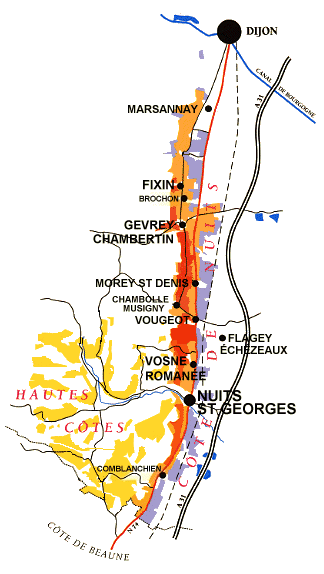
Read more about why Burgundy wines are so exclusive. Understanding regional peculiarities can help in making smart choices.
So what does this mean for you? Are you investing in antique wines for passion or profit? Both are valid motivations in this fascinating world of old wines.
Important Tips for Buying
Buying antique wine can be exciting, but it also comes with risks. A wrong choice can lead to disappointment and costly mistakes. Here are some important tips to help you make the right purchase.
Check Authenticity
A crucial step is to check the authenticity of the wine. Try to gather as much information as possible about the origin and storage of the wine. Preferably buy from reliable sellers with a good reputation. Ask for certificates or other forms of proof of the bottle’s authenticity. Consider involving experts who specialize in wine to assess the label, cork, and even the glassware of the bottle.
Make sure you always research the origin of an antique bottle before buying.
Choose the Right Wine Category
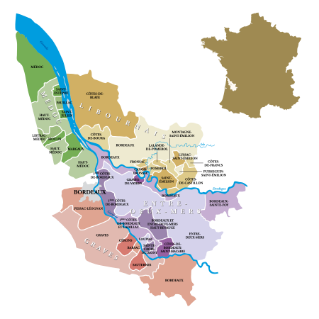
Which wine category suits your taste and collection? Are you looking for red Bordeaux, elegant Champagnes, or exclusive Burgundies? Determine which regions and vintages appeal to you. Consider factors such as collectible value and future appreciation. Some regions like Pomerol are known for their potential to increase in value.
- Bordeaux: Known for its rich flavor.
- Burgundy: Valued for its complexity.
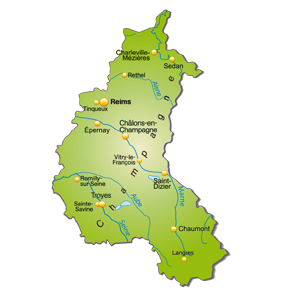
- Champagne: Ideal for special occasions.
Don’t forget to consider affordable alternatives to complement expensive purchases. There are plenty of affordable wines that still offer excellent quality.
Have you thought about how each wine fits into your collection?
Buying antique wine requires careful consideration and knowledge. By conducting thorough research and making smart choices, you can avoid disappointments and enjoy a diverse wine collection.
Common Pitfalls
Buying antique wine can be exciting but also risky. There are some common pitfalls that buyers should be aware of. Below are important tips on how to avoid them.

Avoid Counterfeits
A major risk when buying antique wine is encountering counterfeits. These bottles are often offered as authentic but do not contain the promised wine. It is essential to verify the origin and authenticity of a bottle. Watch for the following signs:
- Only buy from reputable sellers and auction houses.
- Always ask for documentation to confirm origin.
- Check the label and bottle for inconsistencies or damage.
According to Wine Spectator, it is estimated that about 20% of rare wines traded globally may be counterfeit. This underscores the importance of caution.
Tip: Invest in professional advice or an appraisal if you have doubts about a purchase.
Other Common Pitfalls
Besides counterfeits, there are other risks when buying antique wine:
- Storage Issues: Wine not stored under the right conditions can spoil. Make sure you know how the wine has been stored.
- Wrong Expectations: The price does not always reflect the quality. Carefully research which bottles truly retain their value over time.
- Emotional Purchases: Don’t be swayed by emotions or impulsive decisions. Base your purchases on facts and research.
What Does This Mean for You?
Have you ever doubted the authenticity of a bottle? It is crucial to stay well-informed and act carefully with every purchase decision. By paying attention to detail and critically examining origin and condition, you can prevent many problems.
For more inspiration on special wines, check out this guide on Barolo, which includes tips for choosing the best vintage bottles.
Legal Considerations When Purchasing
When buying antique wine, there are legal aspects you definitely don’t want to overlook. These can significantly impact your purchase and the ultimate value of the wine.
Regulations and Protection
When purchasing antique wine, you need to pay attention to regulations regarding origin and authenticity. The law often requires sellers to prove the wine’s origin. This helps buyers avoid purchasing counterfeits. Make sure you receive detailed documentation confirming the bottle’s authenticity and age. Have you ever considered how important these documents are?
- Certificates of Origin: Check for evidence that the wine comes directly from a reputable source.
- Authenticity Reports: Request reports from experts confirming authenticity.
According to European regulations, it is mandatory to adhere to fair trading practices, meaning sellers must not provide misleading information.
Legal Risks and How to Avoid Them
There are legal pitfalls when buying antique wine, such as disputes over ownership rights or hidden defects. The risk arises when there is uncertainty about previous ownership. This can lead to lengthy legal proceedings.
Avoid legal issues by purchasing only from sellers with a good reputation and proven track record.
Practical Tips for Buyers
- Always ask for certificates of origin: This minimizes the risk of legal issues.
- Use recognized marketplaces or auctions: They often offer extra protection for buyers.
- Consult a legal advisor: Consider this especially for larger investments or rare bottles.
What does this mean for you? By being well-prepared and gathering all necessary documentation, you can protect yourself from unnecessary risks.
Interested in learning more about buying antique wines without worries? Remember to always do your own research and seek professional advice if needed.
How do you start a wine collection?
Buying antique wine can be a fascinating hobby, but where do you begin? It’s important to follow the right steps and avoid pitfalls.

First steps
A good start begins with clear goals. Ask yourself why you are collecting. Do you want to invest or simply enjoy unique flavors? Then set a realistic budget. Antique wines vary greatly in price, depending on rarity and origin. Why are some wines so expensive? Factors explained.
Always choose quality over quantity. A few special bottles can be more valuable than a large collection.
You should also choose from different regions and styles. Bordeaux, Burgundy, and Champagne are popular choices. Each area offers its own unique terroir and reputation for investments. A look at a Bordeaux or Burgundy can be inspiring.
Maintaining your collection
After purchase, maintaining your collection is essential. Wines should be stored at the right temperature, usually around 12 °C and in the dark. This preserves their flavor profile and value.
- Humidity is also important; try to stay between 60-80%.
- Ensure the bottles are lying down so the cork stays moist.
- Preferably use a wine cellar or a special wine refrigerator.
Have you thought about keeping an inventory? This helps to keep an overview and plan future purchases wisely.
Starting with antique wine requires planning and care. What will be your first step? Think carefully about your long-term goals and let your passion for wines grow!
Conclusion: Successfully buying antique wine
Buying antique wine offers a unique opportunity to enjoy old and rare bottles. With the right approach, you can avoid common pitfalls.
Key tips:
- Research and preparation: Learn about the origin and history of a wine. This helps you make better choices (learn more about Burgundy).
- Check authenticity: Make sure you know who the seller is. Buy from reliable sources to avoid counterfeits.
| Tips | Pitfalls |
|---|---|
| Choose recognized sellers | Not checking authenticity |
| Ask for documentation | Impulsive purchases |
Tip: Start with wines from well-known regions like Bordeaux or Champagne. These often have a good reputation.
Consider what you find important: drinking pleasure or investment? This focus helps in making choices.
Do you have questions about specific vintage wines? Consider consulting a professional. They can provide you with valuable insights.
How will you start collecting antique wines? Use these tips and enjoy the journey of discovering and collecting special bottles.